

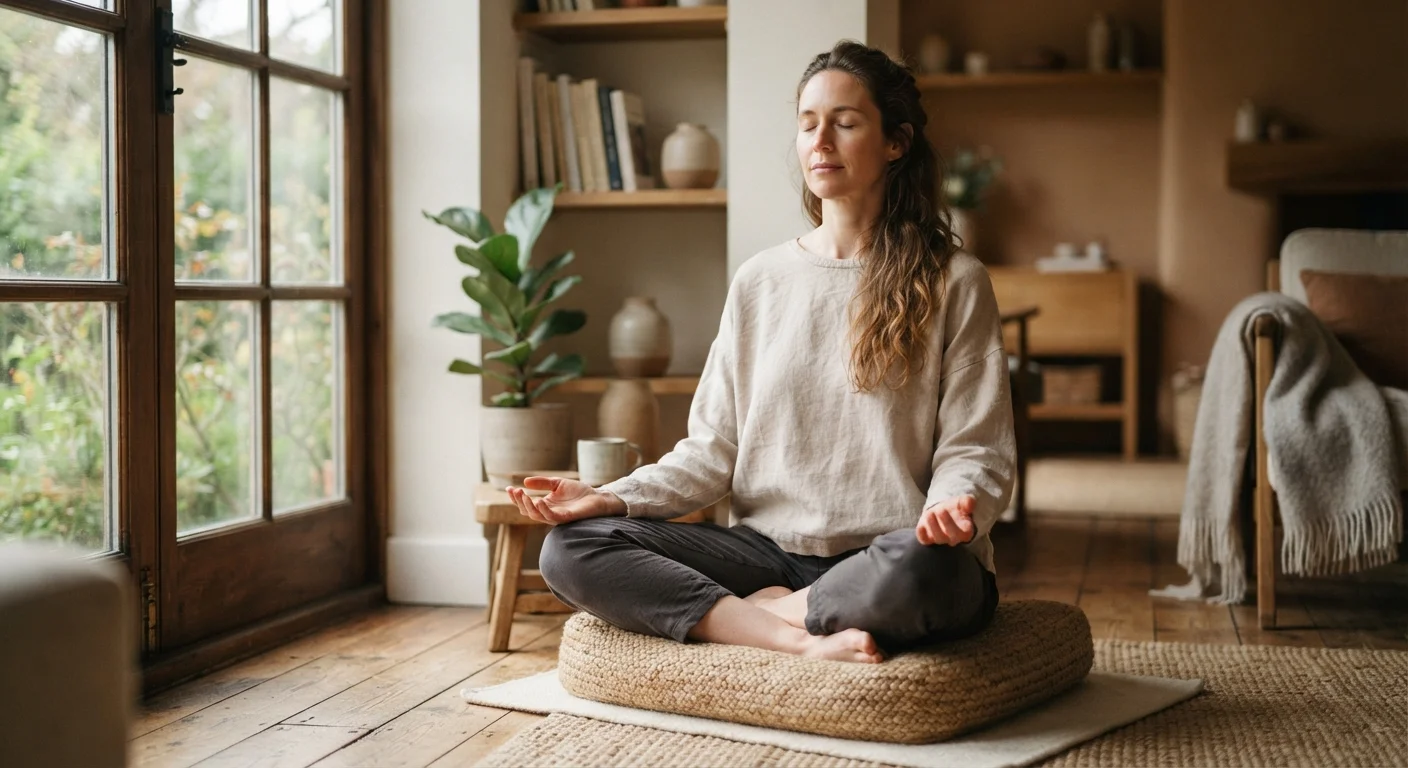
Why Breathing Techniques Work
When anxiety spikes, your body activates its fight-or-flight response - heart rate rises, muscles tighten, and breathing becomes shallow. Deliberate breathing exercises work by engaging the parasympathetic nervous system, often called the "rest and digest" system, which counteracts that stress response.
Research published in journals such as Frontiers in Human Neuroscience suggests that slow, controlled breathing can lower heart rate and cortisol levels. The techniques below are among the most documented approaches used in clinical and self-help settings. They are general wellness tools, not medical treatments. If anxiety significantly affects your daily functioning, please consult a qualified healthcare professional.
For broader context on building mental resilience into your routine, see our comprehensive mental wellness resource.
| Nervous system target | Parasympathetic ("rest and digest") |
| Typical session length | 5-10 minutes (General clinical guidance) |
| Most studied technique | Diaphragmatic breathing (Frontiers in Human Neuroscience, multiple reviews) |
| Equipment needed | None |
| Suitable for most healthy adults | Yes - special populations should consult a professional |
Common Breathing Techniques Explained
Each technique below serves a slightly different purpose. Experimenting with more than one can help you discover which fits your needs in a given moment.
Box Breathing (4-4-4-4)
Inhale for a count of four, hold for four, exhale for four, hold again for four. This symmetric pattern is used in high-stress professions and may help reset focus and reduce acute anxiety. It is a straightforward technique suitable for most healthy adults.
Diaphragmatic (Belly) Breathing
Also called abdominal breathing, this technique encourages breathing deeply into the belly rather than the chest. Placing one hand on your abdomen and feeling it rise with each inhale can confirm correct technique. Regular practice is associated with reduced tension and improved oxygen exchange.
4-7-8 Breathing
Inhale for four counts, hold for seven, exhale slowly for eight. The extended exhale is thought to activate the vagus nerve, which plays a role in calming the nervous system. This technique is often used before sleep or during moments of acute stress.
Resonance (Coherent) Breathing
Breathing at roughly five to six full breath cycles per minute - typically five seconds in and five seconds out - is sometimes called coherent or resonance breathing. Some research links this rhythm to improved heart rate variability, a marker associated with stress resilience.
Alternate Nostril Breathing
Rooted in yogic tradition, this technique involves closing one nostril while breathing through the other, then alternating. Preliminary studies suggest it may support calm and focus, though large-scale clinical evidence is still emerging.
Parasympathetic nervous system
The branch of the autonomic nervous system responsible for rest, digestion, and recovery. Activation tends to reduce heart rate and promote calm.
Diaphragmatic breathing
A breathing pattern in which the diaphragm - the dome-shaped muscle below the lungs - does the primary work of expanding the lungs, causing the belly to rise visibly.
Heart rate variability (HRV)
The variation in time between heartbeats. Higher HRV is generally considered a marker of good stress resilience and autonomic nervous system balance.
Vagus nerve
A major nerve running from the brainstem to the abdomen that plays a key role in regulating heart rate, digestion, and the parasympathetic stress response.
Resonance breathing
A breathing rhythm of approximately five to six breath cycles per minute, associated in some research with improved heart rate variability and reduced anxiety.
How to Choose and Use These Techniques
There is no single "best" approach - effectiveness can vary by individual and situation. Consider the following practical guidance:
- For acute stress: Box breathing and 4-7-8 are well-suited to immediate, in-the-moment use.
- For daily practice: Diaphragmatic and resonance breathing reward regular, short daily sessions of five to ten minutes.
- For sleep: 4-7-8 breathing is commonly used as part of a wind-down routine.
- For focus: Alternate nostril breathing is often incorporated into yoga and mindfulness practice before concentration-demanding tasks.
Start with whichever technique feels least effortful, and practice in a quiet environment before attempting it during high-stress moments. Most people notice some benefit within a few consistent sessions, though individual responses vary.
When to Seek Professional Support
Breathing exercises are wellness tools, not substitutes for professional mental health care. If anxiety is persistent, severe, or interfering with work, relationships, or daily activities, a licensed mental health professional or physician can provide a proper evaluation and discuss evidence-based treatments. In a crisis, contact a crisis helpline or emergency services immediately.
This article is for informational purposes only and does not constitute medical advice. Always consult a qualified healthcare provider about symptoms of anxiety or before beginning any new wellness practice, especially if you have an underlying health condition.
The content on this site is for informational purposes only and is not a substitute for professional advice. Always consult a qualified professional for guidance specific to your situation.