

How Security Deposits Work
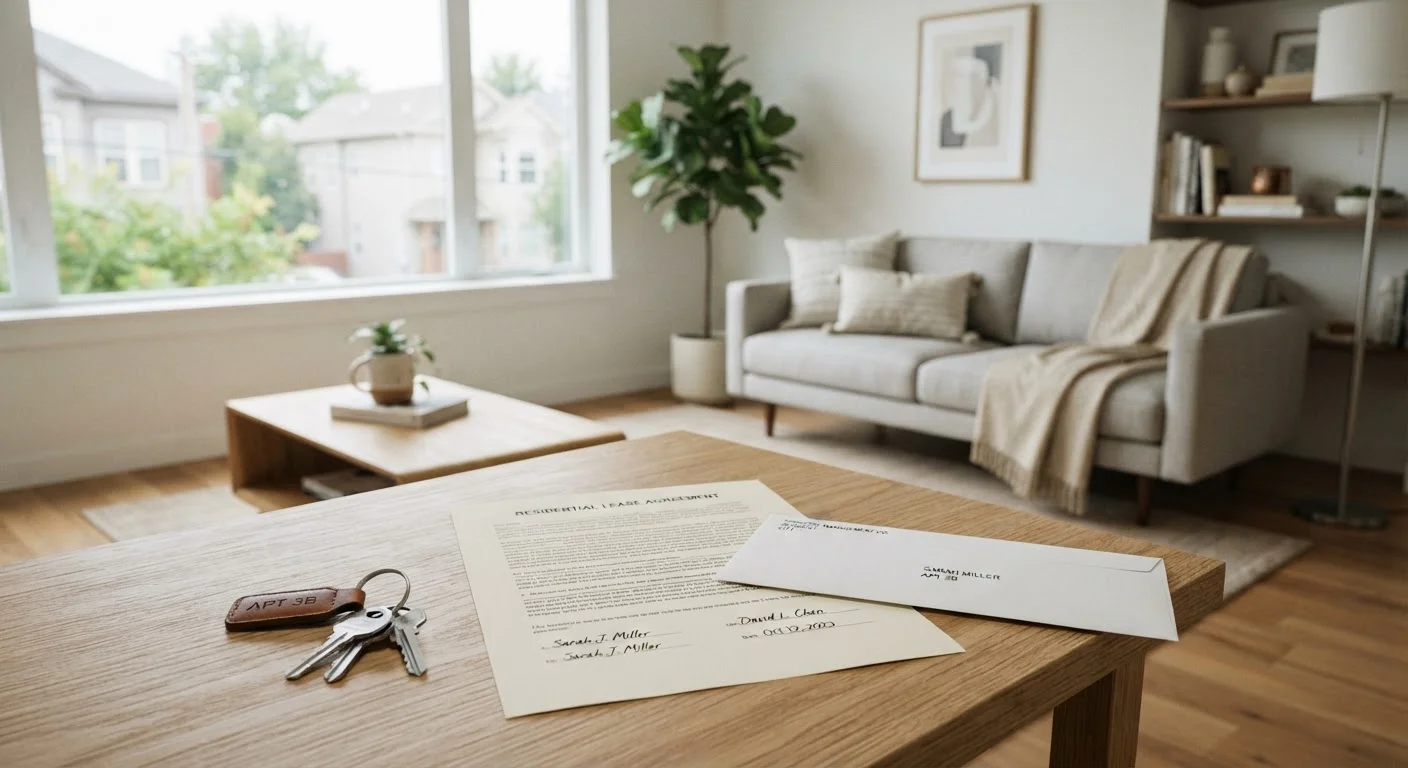
When you sign a lease, your landlord will typically ask for a security deposit alongside your first month's rent. This upfront payment is held by the landlord for the duration of your tenancy. It is not income for the landlord - it is your money being held in trust.
At move-out, the landlord reviews the unit's condition and compares it against its condition when you moved in. If everything is in order and rent is current, the full deposit is returned to you. If there are legitimate deductions, the landlord must provide an itemized written statement explaining each one - and return whatever is left over.
Before you hand over a deposit, it pays to know exactly what you're walking into. Our apartment inspection checklist walks you through what to document room by room before you commit.
~45
States with statutory security deposit caps
According to the National Multifamily Housing Council, roughly 45 states have laws limiting how much a landlord can require as a security deposit, most commonly set at one to two months' rent.
14-30 days
Typical deposit return deadline after move-out
Most state landlord-tenant statutes require landlords to return a security deposit - or provide an itemized deduction statement - within 14 to 30 days of a tenant vacating the property.
2x-3x
Potential penalty for wrongful withholding
Many states allow tenants to recover double or triple the improperly withheld deposit amount if a landlord fails to return it within the legal deadline, according to state landlord-tenant statutes.
What Landlords Can Legally Deduct
Not every imperfection in a unit justifies a deduction. Landlords are generally permitted to withhold from a security deposit for:
- Unpaid rent - any rent owed at the time of move-out
- Damage beyond normal wear and tear - such as large holes in walls, broken fixtures, stained carpet from spills, or pet damage not disclosed in the lease
- Cleaning costs - if the unit is left significantly dirtier than its move-in condition
- Unreturned keys or access cards - in some states, replacement costs are recoverable
The key phrase here is beyond normal wear and tear. That standard is important, and it's discussed in detail in the next section.
Document Everything Before You Sign
Before paying any deposit, walk through the unit and note every scratch, stain, and broken fixture in writing. Have the landlord or property manager sign the inspection form, and keep your copy in a safe place. This single habit resolves the majority of move-out deposit disputes before they start.
What Landlords Cannot Keep: Understanding Wear and Tear
Normal wear and tear refers to the gradual, unavoidable deterioration of a rental unit that occurs through ordinary everyday use. No tenant can live in a space for a year or more without leaving some trace - and the law accounts for that.
Examples landlords generally cannot deduct for:
- Small nail holes from hanging pictures
- Faded paint or minor scuffs on walls
- Worn carpet in high-traffic walkways
- Loose door handles or hinges from regular use
- Lightly dusty blinds or window tracks
Examples that typically do qualify as damage:
- Large, unpatched holes in drywall
- Carpet stained by pet urine or spills
- Broken windows or cracked tiles
- Walls repainted an unapproved color
Many landlord-tenant disputes hinge on this distinction. If you're unsure where a particular issue falls, your state attorney general's office often publishes plain-language guides for renters. Also see our article on common renting misconceptions for more on how tenants and landlords often misread each other's obligations.
How to Protect Your Deposit from Move-In to Move-Out
The single most effective thing a renter can do is document the unit's condition thoroughly on day one - and again on the day they leave.
At Move-In
- Complete a written move-in inspection form and have the landlord sign it.
- Take timestamped photos or video of every room, focusing on any pre-existing damage.
- Email yourself copies so there's a date-stamped digital record.
At Move-Out
- Clean the unit thoroughly and remove all belongings.
- Repair minor damage you caused (patch small nail holes, replace burned-out bulbs).
- Repeat the photo and video walkthrough before returning keys.
- Request a move-out inspection with the landlord present if your state allows it.
Good communication habits throughout your tenancy matter just as much. Our guide on communicating with your landlord covers written requests, maintenance timelines, and documentation that keeps you protected if a dispute arises later.
What to Do If You Don't Get Your Deposit Back
If your landlord misses the return deadline or makes deductions you believe are improper, you have options. Start with a written demand letter - sent via certified mail - that references your state's security deposit law, states the amount you believe you're owed, and sets a reasonable response deadline.
If that doesn't resolve things, small claims court is the standard next step. Most security deposit disputes fall within small claims limits, and many states allow tenants to recover double or triple the wrongfully withheld amount as a penalty for landlord non-compliance. You don't need an attorney to file a small claims case - the process is designed for everyday consumers.
Note: Security deposits are specific to renting. If you're exploring homeownership, you may also encounter a different kind of upfront payment called earnest money - our earnest money explainer covers how that works and when you can lose it.
This article is for general informational purposes only and does not constitute legal advice. Landlord-tenant laws vary significantly by state. Consult a licensed attorney or your local tenant rights organization for guidance specific to your situation.
Frequently Asked Questions
Most states set a cap of one to two months' rent, but some states have no statutory limit. Check your state's landlord-tenant law before signing a lease so you know what's legally allowed in your area.
No. Wear and tear - such as minor scuffs on walls, small nail holes, or carpet worn from normal foot traffic - is expected after a tenancy and is not a valid reason to withhold a deposit. Only damage beyond that threshold qualifies for a deduction.
Return deadlines vary by state, but most fall between 14 and 30 days after the tenant vacates and returns keys. Missing this deadline can expose the landlord to penalties, sometimes double or triple the deposit amount.
Start by sending a written demand letter citing your state's security deposit law and the deadline that was missed. If that doesn't resolve it, you can file a claim in small claims court, which is designed for disputes of this size without requiring an attorney.
No - they are different things. A security deposit is held to cover damages or unpaid rent and must be returned (minus lawful deductions), while a last month's rent payment is applied directly to the final month's rent and is never refunded.
Many states require landlords to hold deposits in a dedicated escrow or trust account, and some states require the landlord to pay interest on those funds. Your state's landlord-tenant statute will specify what's required.
The content on this site is for informational purposes only and is not a substitute for professional advice. Always consult a qualified professional for guidance specific to your situation.