

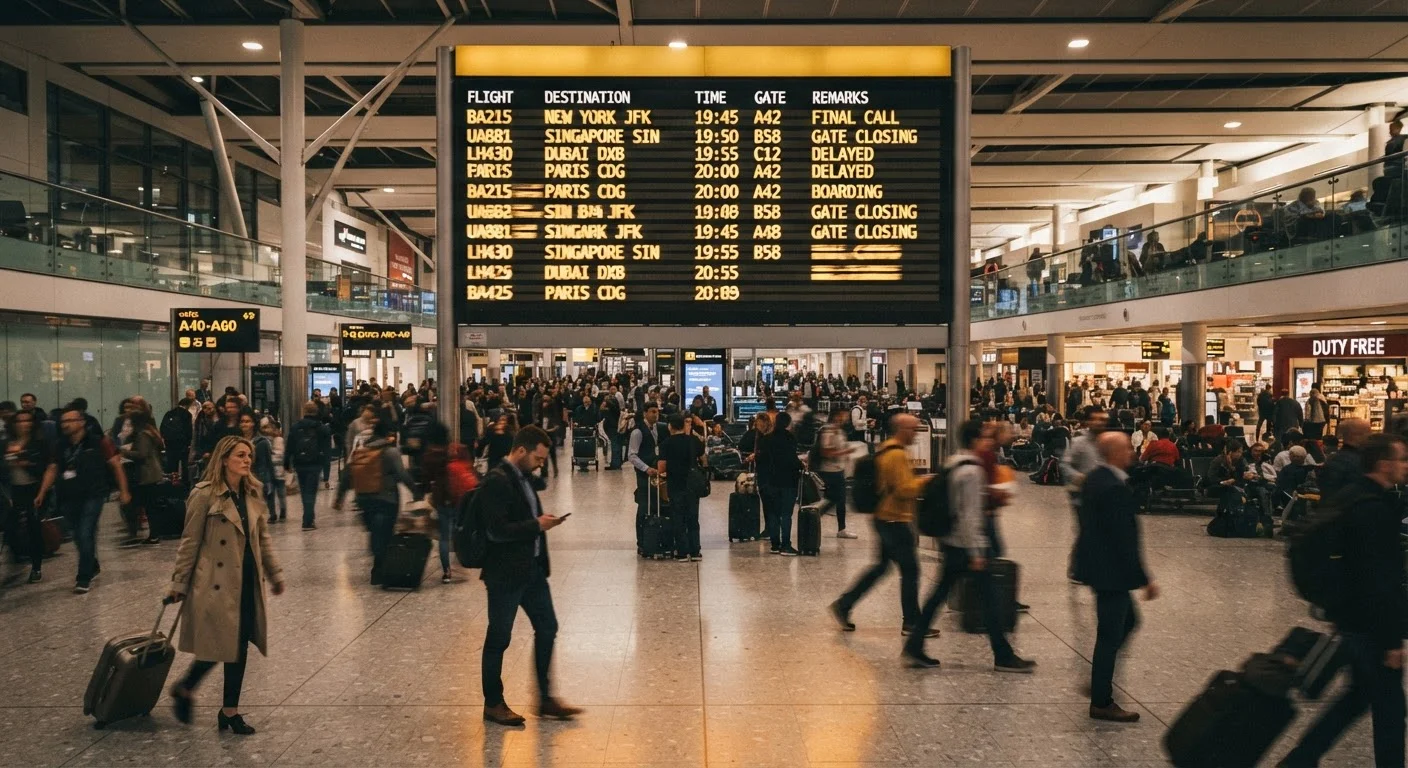
Seats Are a Perishable Product
Here's the core idea: an empty seat on a departed flight generates zero revenue - forever. That reality shapes everything about how airlines price tickets. Unlike a retailer who can restock a product, an airline has one shot to sell each seat before the plane takes off.
Because of this, airlines divide each plane into fare buckets - sometimes called fare classes - each with a limited number of seats at a given price. As the cheaper buckets sell out, remaining seats shift into pricier categories. This is why a route that showed $180 fares last week might now show $290 fares, even if demand seems steady. The low-priced inventory simply ran out.
Set a Fare Alert Instead of Watching Daily
Rather than checking prices manually every day, use a flight search tool's fare alert feature to get notified when a route's price drops to a range you've defined. This removes the anxiety of constant monitoring and helps you act quickly when pricing shifts in your favor.
The Forces That Actually Move Prices
Several factors feed into airline pricing algorithms simultaneously:
- Time to departure: Prices generally trend upward as departure approaches, though there's a window - often one to three months out for domestic flights - when fares can be more competitive.
- Demand spikes: Holiday weekends, school breaks, and major events drive competing travelers into the same flights at once. The algorithm senses this surge and prices up accordingly.
- Competition on the route: A route served by multiple carriers tends to have lower baseline fares than one served by a single airline. When a competitor drops prices, others often follow - and vice versa.
- Seat inventory remaining: Once only a handful of seats remain, airlines have little incentive to discount.
~$500
Average price difference by booking window
Research from the Airlines Reporting Corporation (ARC) has found that fares on the same domestic route can vary by hundreds of dollars depending on how far in advance a ticket is purchased.
168+
Times a fare can change in a single day
Airline pricing experts have noted that on competitive routes, algorithmic systems can reprice seats more than 100 times daily in response to booking activity and competitor moves.
Understanding these levers won't let you predict the perfect moment to buy - no tool can do that reliably - but it explains why a price that seems random usually isn't. Similar economic forces drive other markets too; home prices shift for comparable reasons when supply and demand fall out of balance.
What This Means When You're Actually Booking
Knowing how the system works changes a few practical behaviors worth adopting.
Flexibility is your most underrated asset. Shifting a trip by even a day or two can expose completely different fare buckets. Date flexibility often saves more than any trick or timing hack - especially on routes with thin competition.
Booking order matters more than most people think. Many travelers lock in hotels before confirming flights, which can back them into expensive fare windows. See what travelers consistently get wrong about booking sequence before planning your next trip.
Watch the full price, not just the base fare. A fare that looks attractive can balloon once fees are added. Hidden costs frequently inflate travel budgets before travelers even reach the airport.
Finally, neither booking super early nor waiting for last-minute deals works universally. Each approach has its moment - and understanding when matters
Frequently Asked Questions
Airlines reprice seats constantly based on how many are sold and how close departure is. If demand spikes - due to a surge in searches, a competitor selling out, or a holiday approaching - the algorithm raises the price automatically. Checking a fare doesn't lock it in.
This is a persistent myth. Prices fluctuate because of demand signals across millions of users and algorithmic adjustments, not because you personally searched. Browsing in a private/incognito window doesn't meaningfully change what you'll see.
Research has shown that fares can sometimes be slightly lower midweek, but the difference is rarely dramatic or reliable. Route, season, and how far out you book matter far more than which day you search.
For most domestic U.S. routes, fares often become competitive in the one-to-three-month window before departure. Booking extremely early or waiting until the last week typically yields higher prices, though exceptions exist depending on the route.
Different booking platforms may have negotiated access to different fare classes or may display fees differently. Always compare the total price including all fees before deciding where to complete your purchase.
The content on this site is for informational purposes only and is not a substitute for professional advice. Always consult a qualified professional for guidance specific to your situation.