

Why Fault Matters So Much
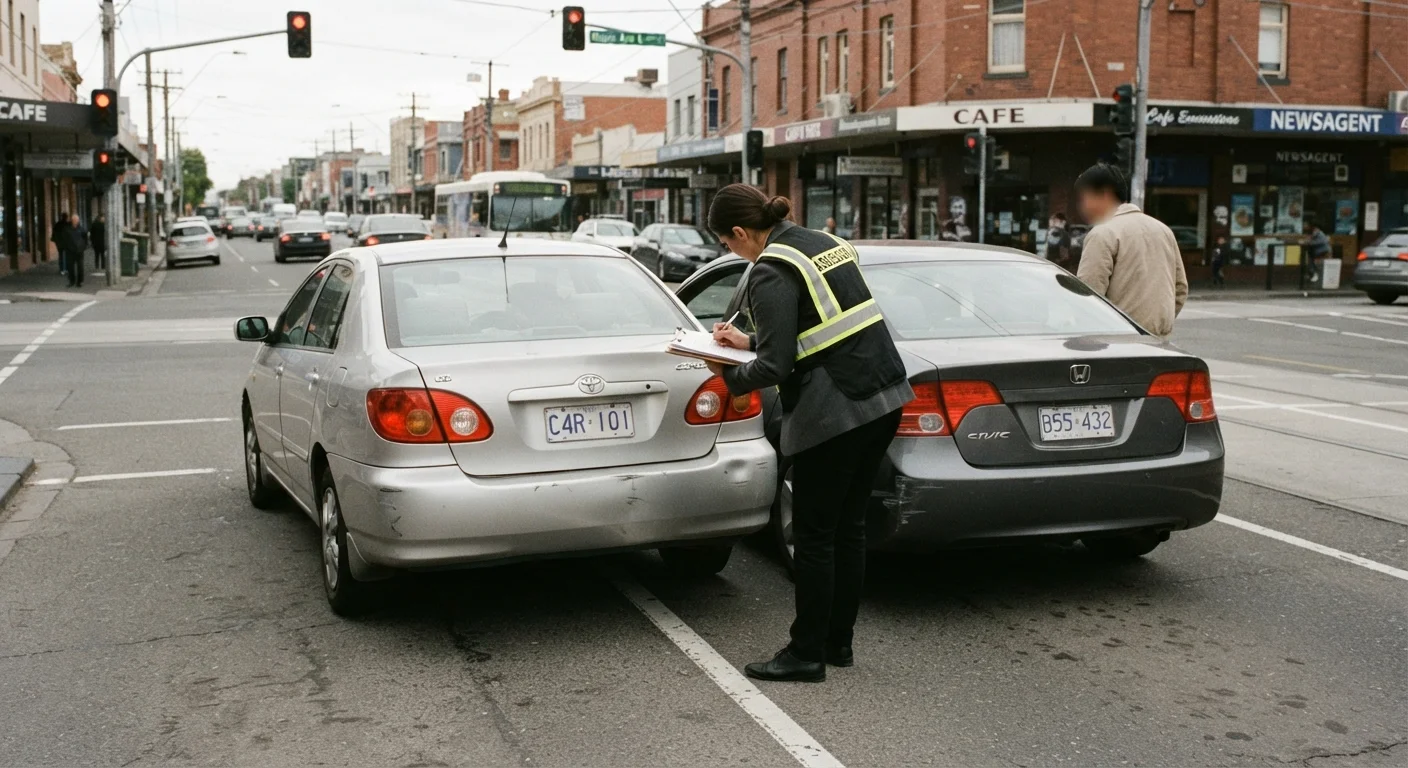
After a collision, one of the first things insurers work to establish is who caused it. Fault drives nearly every financial outcome: whose liability coverage pays for the other driver's damages, whether your own collision coverage kicks in, and whether you'll face a premium increase. Getting fault wrong - or not understanding how it's assigned - can leave you surprised when a claim doesn't go the way you expected.
See our breakdown of coverage types to understand how liability and collision coverage interact once fault is decided.
38
States using modified comparative negligence
According to legal reference sources, the majority of U.S. states apply modified comparative negligence, the most common fault-sharing framework.
~12
No-fault states in the U.S.
Roughly a dozen states, including Florida, Michigan, and New York, operate under a no-fault insurance system requiring PIP coverage.
5
States using contributory negligence
Only a small number of states - including Maryland and Virginia - still bar recovery if the claimant is found even slightly at fault.
How Insurers Investigate an Accident
When a claim is filed, an insurance adjuster is assigned to investigate. They're not just taking your word for it - they're building a picture of what happened from multiple sources:
- Driver and passenger statements from everyone involved
- Police reports, which document the officer's observations, any citations issued, and whether traffic laws were violated
- Photos and video from the scene, dashcams, or nearby security cameras
- Witness accounts from bystanders who saw the crash
- Physical evidence - vehicle damage location, skid marks, road conditions
Adjusters are trained to cross-reference these sources. A driver may say they had a green light, but damage patterns or a traffic camera can tell a different story. The adjuster's job is to reconstruct the most accurate version of events they can.
Document the Scene Before You Move Vehicles
If it's safe to do so, take photos of all vehicles from multiple angles, the surrounding road, traffic signals, and any skid marks before anything is moved. This evidence can be critical if your account of the accident is disputed later. Also note the time, weather, and road conditions.
Comparative vs. Contributory Negligence
Most states use a comparative negligence framework, which allows fault to be divided. If you're found 30% at fault and the other driver is 70% at fault, your payout from the other driver's insurer is reduced by 30%. There are two main versions:
- Pure comparative negligence
- You can recover damages even if you're 99% at fault - your payout is just reduced by your percentage. A minority of states follow this rule.
- Modified comparative negligence
- The most common system. You can recover damages as long as your fault falls below a threshold - typically 50% or 51%. Above that threshold, you recover nothing from the other party.
A small number of states still use contributory negligence, the strictest standard: if you're found even partially at fault - even 1% - you may be barred from recovering anything from the other driver. Knowing your state's standard matters.
For a plain-language explanation of terms like subrogation and deductible that appear on claim forms, see our auto insurance jargon reference.
No-Fault States: A Different Framework
In no-fault states - roughly a dozen across the U.S. - your own insurer pays your medical costs and lost wages after an accident, regardless of who caused it. This is handled through Personal Injury Protection (PIP) coverage, which is mandatory in these states.
However, 'no-fault' doesn't mean fault is irrelevant. Property damage - meaning your car - is still handled on a fault basis in most no-fault states. And if injuries are severe enough to meet a defined threshold, you may still have the right to sue the at-fault driver for additional damages.
No-Fault Doesn't Mean No Disputes
Even in no-fault states, fault disputes arise over property damage claims and - when injuries are serious - over lawsuits. PIP coverage handles your medical costs, but the at-fault driver's liability coverage is still relevant if your injuries clear the state's legal threshold for filing a lawsuit.
What You Can Do to Protect Yourself
You can't control how an adjuster rules, but you can influence the quality of evidence they have to work with. At the scene: document everything with photos, get witness contact information, and avoid making statements that could be interpreted as admitting fault.
If you believe a fault determination is wrong, you have options. Most insurers have a formal dispute process. Your state's insurance department can also accept complaints. In cases involving significant damages, consulting an attorney is worth considering.
Understanding fault rules is part of understanding your policy as a whole. Our article on common coverage misunderstandings walks through other assumptions that can cost drivers money. And when you're ready to file, this claims walkthrough covers the process step by step.
This article is for general informational purposes only and does not constitute legal or insurance advice. Coverage terms, fault rules, and state laws vary. Consult a licensed insurance professional or attorney for guidance specific to your situation.
Frequently Asked Questions
Yes. Police reports are important evidence, but insurers conduct their own independent investigations. An adjuster may weigh additional evidence - photos, witness statements, vehicle damage patterns - and reach a different conclusion than an officer at the scene.
Most states use some form of comparative negligence, splitting fault by percentage. Your payout is reduced by your share of fault. In a handful of states, contributory negligence rules can bar recovery entirely if you're even slightly at fault.
Generally, yes. If your insurer pays out a claim and you're found at fault, your premium may increase at renewal. The size of the increase depends on your insurer, your history, and your state's regulations.
In no-fault states, each driver files a claim with their own insurer for medical expenses and lost wages, regardless of who caused the crash. However, property damage claims - like car repairs - typically still follow fault-based rules.
Yes. You can provide additional evidence, request a review, or escalate a dispute through your state's insurance department. An attorney can also help if significant money is at stake.
The content on this site is for informational purposes only and is not a substitute for professional advice. Always consult a qualified professional for guidance specific to your situation.