

Why These Misunderstandings Are So Common
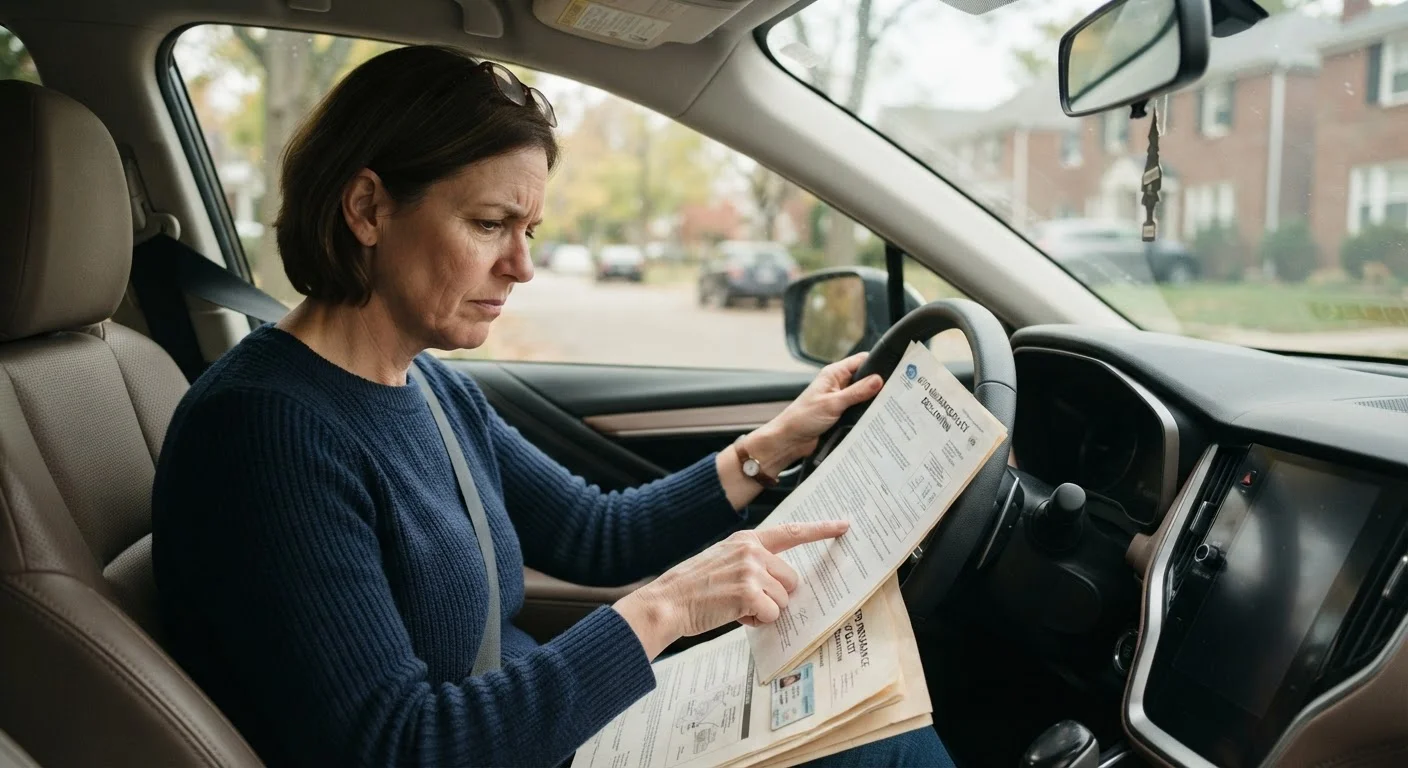
Auto insurance policies are dense legal documents, and most drivers never read them front to back. Instead, they rely on what they remember from sign-up, what a friend told them, or a general sense that they're "covered." That gap between assumption and reality tends to close only when a claim is denied - which is exactly the wrong time to find out.
The myths below represent the misunderstandings that come up most often when drivers file claims. Knowing the facts ahead of time won't just save you money - it'll help you make more deliberate choices about the coverage you actually carry. You can also explore why premiums differ so much between drivers to understand what you're really paying for.
Myth
"Full coverage" means everything is covered, no matter what happens.
Fact
"Full coverage" is an informal term, not a legal one. It typically refers to a policy that bundles liability, comprehensive, and collision - but each coverage type has its own limits, deductibles, and exclusions.
When people say "full coverage," they usually mean they have more than the state minimum. But no policy covers every possible scenario. Flood damage, for example, is generally handled under comprehensive - which you may or may not have added. Custom equipment, personal belongings left in the car, or mechanical failures are commonly excluded regardless of what type of policy you carry. See what each coverage type actually protects for a clearer breakdown.
Myth
If someone borrows my car and crashes it, their insurance pays.
Fact
In most states, auto insurance follows the vehicle, not the driver. If a friend or family member borrows your car and causes an accident, your policy is typically the primary payer.
This catches many drivers off guard. If you lend your car to someone who causes a collision, the claim goes against your policy - and your rates could increase as a result. The borrower's own insurance may serve as secondary coverage if damages exceed your limits, but your insurer pays first. The exception is if you explicitly excluded that person from your policy, in which case there may be no coverage at all.
Myth
Comprehensive coverage means my car is covered if I hit another vehicle.
Fact
Comprehensive covers non-collision events: theft, vandalism, hail, flooding, fire, and animal strikes. Hitting another vehicle - or a stationary object - falls under collision coverage.
These two coverages are often purchased together, which leads to confusion about which one applies. If a deer runs in front of your car, that's comprehensive. If you swerve to avoid it and hit a guardrail, that's collision. Both have separate deductibles, so your out-of-pocket cost depends on which one applies. Coverage gaps like this one are exactly why it's worth understanding the distinction before you file a claim.
Myth
My auto insurance will cover medical bills for everyone injured in an accident I caused.
Fact
Liability coverage pays for injuries to others - but your own medical bills require a separate coverage type, such as medical payments (MedPay) or personal injury protection (PIP).
Liability bodily injury coverage is designed to protect other people when you're at fault. Your own injuries are a separate matter. MedPay and PIP can cover your medical expenses regardless of fault, but these are optional add-ons in most states, not standard inclusions. Without them, you'd rely on your health insurance - which may have its own deductibles, copays, and coverage limits. Check your policy declarations page to confirm what you actually have.
Myth
My personal auto policy covers me when I drive for a rideshare app.
Fact
Most personal auto policies explicitly exclude coverage during rideshare or delivery activities. A coverage gap often exists between the time you open the app and the time a passenger enters your car.
Rideshare companies typically provide some liability coverage once a ride is accepted, but the period when you're logged into the app and waiting for a match is often a gray area. Your personal insurer may deny a claim that occurs during that window. Some insurers offer a rideshare endorsement that fills this gap - a worthwhile option if you drive for any platform, even part-time.
Myth
Liability insurance will cover my own car repairs if I'm at fault in a crash.
Fact
Liability coverage pays only for damage you cause to other people's property or injuries to others. It never pays to repair or replace your own vehicle.
This is one of the most consequential misunderstandings in auto insurance. Drivers carrying only state-minimum liability are financially exposed if their own car is damaged in a crash they caused - or in a single-car accident. Collision coverage is what pays to repair your vehicle in a crash, regardless of fault. Understanding this distinction is foundational; compare liability-only and full coverage policies to see exactly what each leaves unprotected.
What to Do With This Information
The goal here isn't to alarm you - it's to give you a clear-eyed view of what your policy actually says. Pull out your declarations page (the summary document your insurer sends each policy period) and check which coverages are listed, what the limits are, and what deductibles apply.
Your Policy May Not Cover What You Think
Auto insurance policies are contracts with specific terms, exclusions, and conditions. Assuming coverage exists without verifying it in your declarations page and policy document is one of the most common - and costly - mistakes drivers make. Before an accident happens, take 20 minutes to read what you actually bought. If anything is unclear, contact your insurer or a licensed agent directly.
If you find gaps - no collision, no MedPay, no rideshare endorsement - talk to your insurer or a licensed agent about what adding those coverages would actually cost. Sometimes the difference is smaller than drivers expect. And if you're weighing whether to carry more than the state minimum, these common coverage gaps are worth reviewing before you decide.
Rideshare and Delivery Work Change Everything
If you drive for a rideshare or delivery platform - even occasionally - your personal auto policy may deny claims that occur during those trips. Most standard policies exclude commercial or for-hire use. Check with your insurer before you start driving for any platform, and ask specifically about rideshare endorsements or separate commercial coverage.
Auto insurance is general consumer information - individual coverage, eligibility, and costs depend on your specific policy, insurer, and state. Always consult your policy documents or a licensed insurance professional for guidance tailored to your situation.
The content on this site is for informational purposes only and is not a substitute for professional advice. Always consult a qualified professional for guidance specific to your situation.