

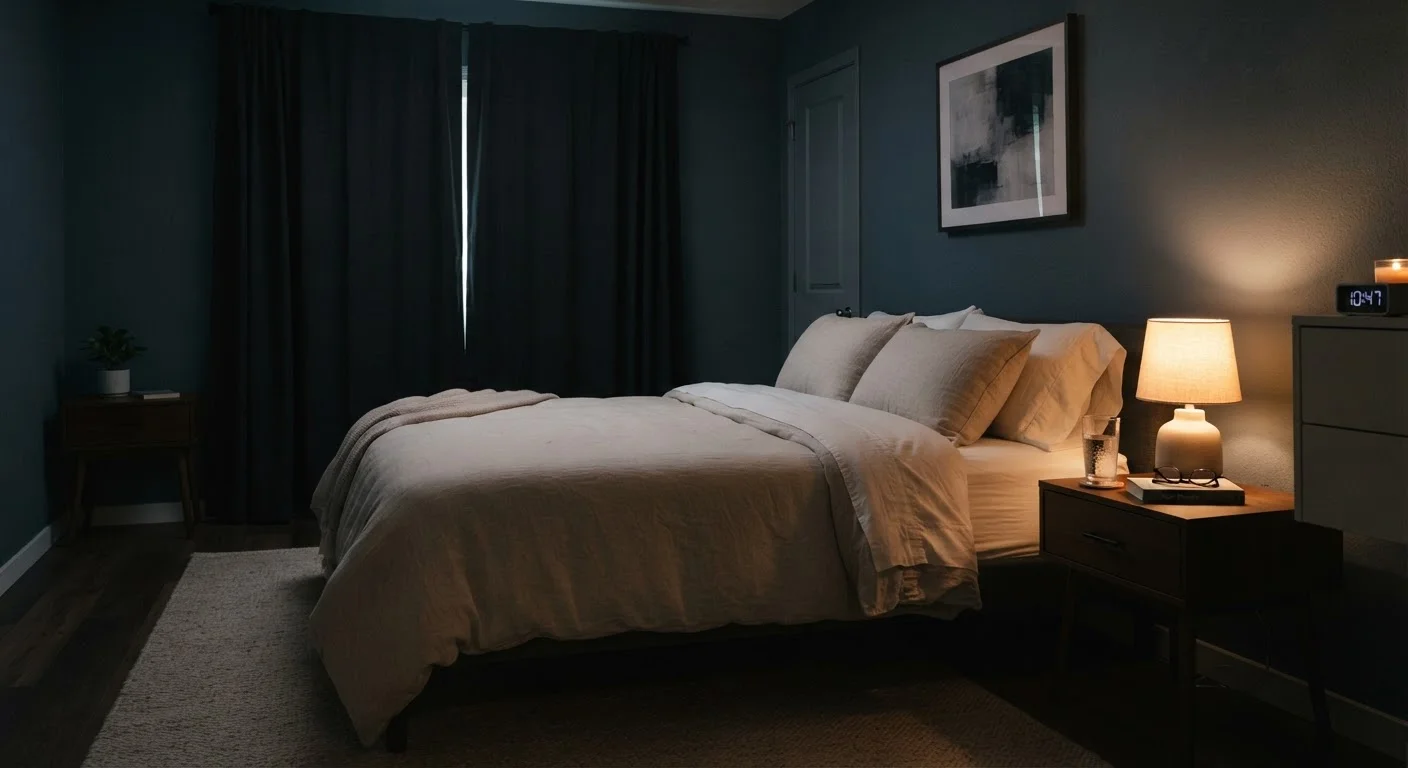
Why Sleep Hygiene Is a Mental Health Issue
Sleep hygiene is a clinical term for the collection of habits, behaviors, and environmental conditions that support consistent, high-quality sleep. It sounds technical, but the concept is straightforward: what you do in the hours leading up to bed - and how your sleeping space is set up - meaningfully shapes how well you rest.
The connection to mental health is hard to overstate. Research consistently shows that sleep deprivation impairs emotional regulation, reduces stress tolerance, and is closely associated with anxiety and depression. The relationship runs both ways: mental health difficulties often disrupt sleep, and disrupted sleep makes those difficulties harder to manage. Understanding this loop is the first step toward breaking it.
This article focuses on practical, evidence-informed habits you can act on - not a medical treatment plan. If you are experiencing persistent sleep problems or symptoms of a mental health condition, please speak with a qualified healthcare provider. For a broader look at daily mental wellness routines, see our end-to-end mental wellness resource.
The Core Practices That Support Restorative Sleep
Not all sleep advice is equally supported by evidence. The habits below reflect guidance from major sleep medicine and public health bodies and address the most common barriers everyday Americans face.
Anchor your wake time first, before worrying about bedtime
Your circadian rhythm - the internal clock that regulates sleep and wakefulness - is heavily anchored to your morning wake time. Keeping it consistent, even on weekends, stabilizes the entire sleep-wake cycle. Irregular wake times are one of the primary drivers of poor sleep quality in otherwise healthy adults.
Treat your bedroom as a sleep-only space
The brain forms strong associations between environments and behaviors. Working, scrolling, or watching content in bed teaches the brain to stay alert there. Reserving the bedroom for sleep (and sex) strengthens the mental association between bed and drowsiness.
Dim lights and limit bright screens in the hour before bed
Blue-spectrum light from phones, tablets, and overhead lighting suppresses melatonin production, the hormone that signals to your brain that it is time to sleep. Reducing light exposure in the final hour before bed allows melatonin levels to rise naturally.
Keep the bedroom cool and as dark as possible
Core body temperature naturally drops as part of the sleep-onset process. A cooler room - generally somewhere in the mid-60s Fahrenheit range for most people - supports that process. Even small amounts of ambient light can interfere with sleep depth in some individuals.
Avoid caffeine after early afternoon
Caffeine has a half-life of roughly five to six hours in the average adult, meaning half of a mid-afternoon coffee is still circulating at bedtime. Even when people feel they have 'metabolized' caffeine, it can suppress deep sleep stages without causing obvious wakefulness.
Use a brief, consistent wind-down routine as a sleep cue
Routines create anticipatory signals. A predictable sequence of low-stimulation activities in the 20 to 30 minutes before bed gradually trains your nervous system to shift toward rest. This is especially useful for people whose minds tend to race at night.
“Sleep is not a luxury. It is a biological necessity, and the evidence that sleep deprivation has serious consequences for health, mood, and cognitive function is now overwhelming.”
— Matthew Walker, Professor of Neuroscience and Psychology, University of California, Berkeley; author on sleep science
Your Environment and Evening Routine
Even strong intentions can be undermined by the wrong environment. The bedroom itself communicates signals to your nervous system, and a few structural changes can reduce the effort needed to fall and stay asleep.
Make Your Bedroom a Sleep-Friendly Space
Evaluate three things in your bedroom tonight: light, temperature, and noise. Even modest improvements - a door draft stopper, a sleep mask, or a small fan for white noise - can meaningfully reduce the number of times you wake during the night. These environmental adjustments work regardless of what time you go to bed.
Evening routines work similarly. A consistent wind-down sequence - even just 20 to 30 minutes of low-stimulation activity - trains your brain to associate that sequence with sleep. This might include light reading, gentle stretching, or a brief journaling practice. The key is repetition over novelty. Physical activity during the day also supports deeper sleep at night; the principles behind daily movement habits translate directly here.
1 in 3
U.S. adults regularly not getting enough sleep
According to the Centers for Disease Control and Prevention (CDC), about one-third of American adults report regularly sleeping fewer than the recommended seven hours per night.
~5-6 hrs
Caffeine half-life in average adults
Research in sleep pharmacology shows caffeine's half-life means a substantial portion of an afternoon coffee remains active in the bloodstream at a typical bedtime.
Nutrition and hydration also play a supporting role. Heavy meals close to bedtime can disrupt sleep onset, and even mild dehydration can affect sleep quality - though the relationship is nuanced. For a clearer picture of how hydration fits your overall health routine, see how water fits into a healthy eating pattern.
Quick Wins You Can Start Tonight
Overhauling every habit at once is rarely sustainable. Research on behavior change suggests that anchoring small, specific actions to existing routines produces far better long-term results than sweeping overnight changes. The reasons mental wellness habits fade apply equally to sleep routines - starting small matters.
If you find that sleep difficulties persist despite consistent effort with these habits, that is important information - not a personal failure. Chronic insomnia, sleep apnea, and other sleep disorders are medical conditions, not willpower problems, and they respond well to professional treatment. A brief daily self-check routine can help you notice patterns in your mood and energy that may point to a sleep connection worth discussing with a doctor.
This article is for general informational and educational purposes only and is not a substitute for professional medical advice, diagnosis, or treatment. Always consult a qualified healthcare provider with questions about your sleep or mental health.
The content on this site is for informational purposes only and is not a substitute for professional advice. Always consult a qualified professional for guidance specific to your situation.