

The Link Between Rates and Buying Power
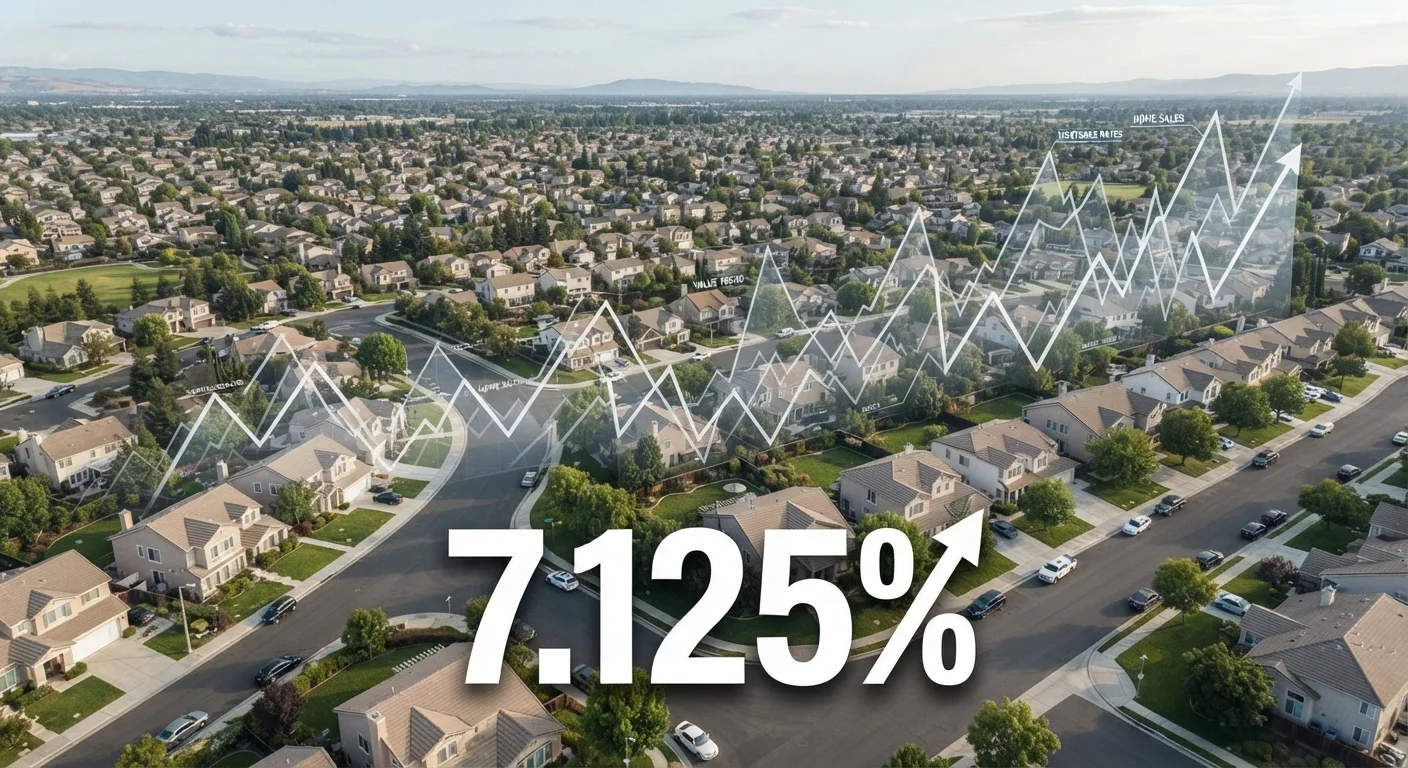
Mortgage rates determine how much house a buyer can actually afford. This is more than a number on a loan document - it is a ceiling on purchasing power. When rates are low, a given monthly budget stretches further, putting more homes within reach. When rates climb, that same budget buys less, effectively pricing some buyers out of the market entirely.
Consider a practical illustration: at a 4% interest rate, a buyer taking out a $300,000 loan faces a monthly principal-and-interest payment of roughly $1,432. At 7%, that same loan costs about $1,996 per month - an increase of over $560 each month. For many households, that gap determines whether homeownership is possible at all.
This is why mortgage rates are considered one of the most powerful forces in housing. They do not just affect borrowers directly - they shape overall demand across the entire market. For a broader view of how these forces interact over time, see our explainer on why home prices rise and fall.
~$560/mo
Extra monthly cost from a 3-point rate increase
On a $300,000 30-year loan, the difference between a 4% and 7% rate adds roughly $560 per month in principal and interest costs.
1%
Rate change that shifts monthly payment by ~$170
A single percentage point change on a $300,000 loan alters the monthly payment by approximately $170-$180, which can meaningfully affect qualification thresholds.
30 years
Loan term over which rate differences compound dramatically
Even a modest rate difference - say 0.5% - can add or subtract tens of thousands of dollars in total interest paid over a standard 30-year mortgage.
How Rate Changes Move the Whole Market
When mortgage rates rise sharply, the effects move through the housing market in predictable stages. First, buyer demand softens as affordability shrinks. Homes sit on the market longer, and sellers may need to reduce asking prices to attract offers. This can gradually moderate or reverse home price growth that built up during lower-rate periods.
The inverse is also true. When rates fall, buyers who were sitting on the sidelines often move quickly, flooding the market with renewed demand. Inventory gets absorbed fast, bidding wars can re-emerge, and prices trend upward again. Understanding these cycles helps put any given moment in the market into context - something explored in depth in our article on housing market cycles.
Rates and Supply Are Connected
Most coverage of mortgage rates focuses on buyer demand, but supply is equally affected. When homeowners feel financially anchored to their low existing rate, fewer homes come to market. This dynamic can keep inventory constrained even during periods when buyer activity is slowing. Tight supply can offset the price-cooling effect of higher rates, making the relationship between rates and prices more complex than it first appears.
One lesser-discussed consequence of rising rates is reduced supply - not just reduced demand. Homeowners who locked in ultra-low rates in previous years often choose not to sell, because doing so would mean financing their next home at a much higher rate. This phenomenon, sometimes called the "lock-in effect," can keep inventory tight even during slower markets.
What Rates Mean for Your Personal Situation
For buyers, mortgage rates are one variable in a larger financial picture. Your credit score, down payment size, loan type, and debt-to-income ratio all influence the specific rate a lender offers you - meaning the national average rate is a benchmark, not a guarantee. Your credit score plays a significant role in determining which loan products you qualify for and at what interest rate.
Focus on Your Full Financial Picture
Rather than trying to time mortgage rates - which even professional economists struggle to predict accurately - focus on what you can control: building your credit score, reducing existing debt, and saving for a larger down payment. A stronger financial profile can meaningfully improve the rate you're offered regardless of where the market sits. A licensed mortgage professional can help you understand what rate range is realistic for your specific situation.
For sellers, a high-rate environment can mean slower sales and more negotiating leverage shifting to buyers. But it also means fewer competing listings if many homeowners are staying put. Market conditions vary significantly by region, price point, and property type, so broad national trends are a starting point - not a definitive playbook.
The central takeaway is this: mortgage rates are not just a finance topic. They are a housing market force that affects buyers, sellers, renters, and anyone thinking about real estate. Understanding how they work puts you in a better position to read the market and make decisions that fit your own circumstances.
This article is for general educational purposes only and does not constitute financial, investment, or legal advice. Consult a licensed financial adviser or mortgage professional for guidance specific to your situation.
Frequently Asked Questions
When rates rise, fewer buyers can afford to borrow, which reduces demand and can slow or reverse price growth. When rates fall, more buyers enter the market, increasing competition and often pushing prices upward. The relationship is not instant - it typically plays out over months.
No single entity sets mortgage rates. They are shaped by a combination of the Federal Reserve's monetary policy, the bond market (particularly 10-year Treasury yields), lender competition, and economic indicators like inflation and employment. Individual lenders then price their specific loans based on borrower risk.
The lock-in effect describes what happens when homeowners who secured very low mortgage rates become reluctant to sell, because selling would mean giving up that rate and taking on a new, higher-rate loan. This reduces the number of homes listed for sale, limiting inventory even when buyer demand exists.
Yes, indirectly. When buying becomes less affordable due to high rates, more people stay in the rental market longer, which increases competition for rentals and can push rents higher. Rising rates can therefore ripple into rental pricing over time.
On a $300,000 loan, a 1% increase in rate adds roughly $170-$180 per month in interest costs, depending on the loan term. Over a 30-year mortgage, that translates to tens of thousands of dollars more paid in total interest.
Timing the market is difficult, and waiting carries its own risks - home prices may rise while you wait, or rental costs may increase. Most housing experts suggest that your personal financial readiness - stable income, adequate savings, manageable debt - matters more than trying to time rate movements. Consulting a licensed financial adviser is recommended before making that call.
The content on this site is for informational purposes only and is not a substitute for professional advice. Always consult a qualified professional for guidance specific to your situation.