

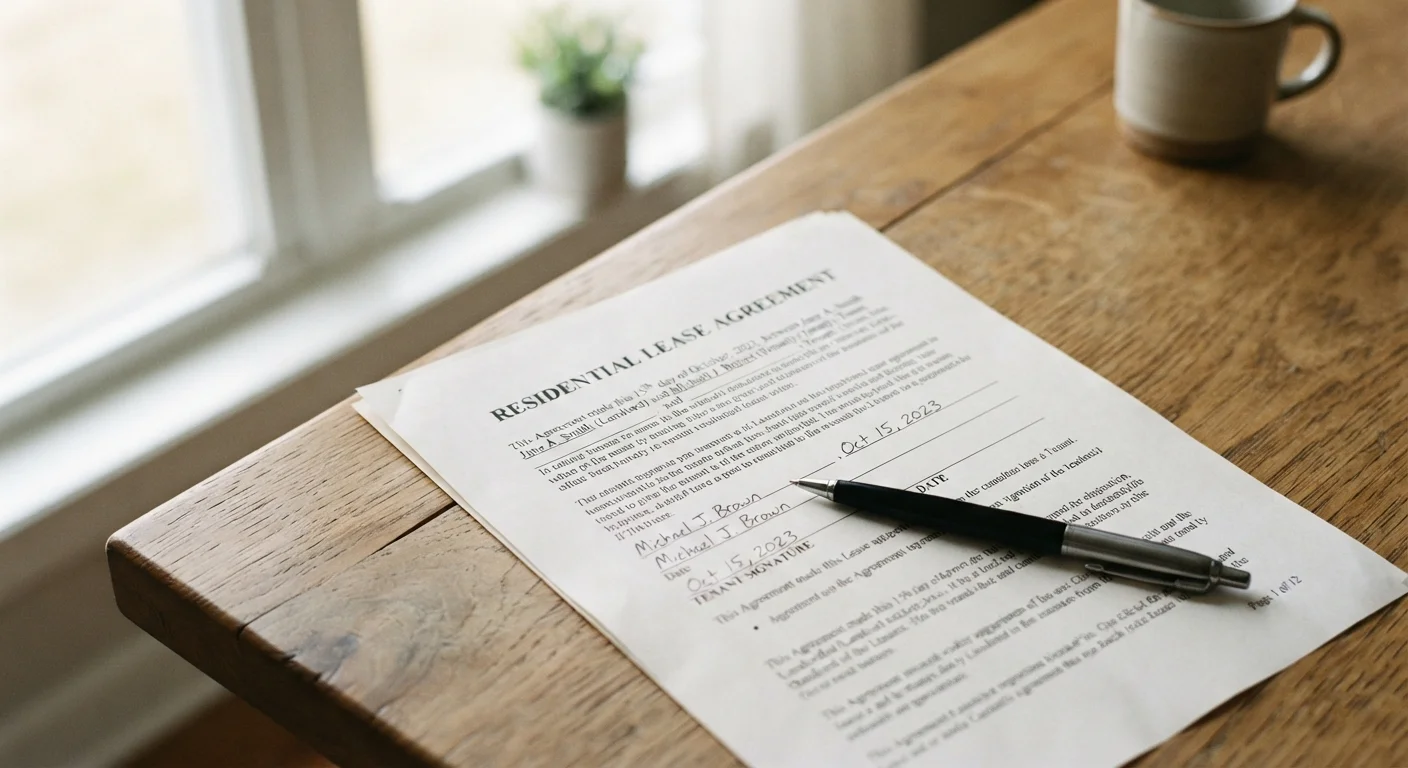
The Core Structure of a Residential Lease
Most residential leases follow a similar structure, regardless of whether you're renting a studio or a three-bedroom house. Understanding that structure helps you find what matters most - quickly.
At its foundation, every lease identifies the parties involved (landlord and tenant), the property address, and the lease term - meaning the start and end dates of your tenancy. These details sound basic, but errors here have caused real disputes, so confirm they match what you were told verbally.
The rent section spells out the monthly amount, when it's due (usually the first of the month), and whether a grace period applies before a late fee kicks in. It also defines how payment must be made - check, electronic transfer, or another method - and what the late fee will be. For a deeper look at how lease types affect these terms, see how fixed-term and month-to-month leases differ.
44M+
Renter households in the U.S.
According to the U.S. Census Bureau's American Community Survey, more than 44 million households in the United States rent their homes.
1-2 months
Typical security deposit cap by state
Many U.S. states cap security deposits at one to two months' rent, though the exact limit varies by jurisdiction and property type.
14-30 days
Common deadline to return security deposits
Most states require landlords to return security deposits within 14 to 30 days of a tenant's move-out date, along with an itemized list of any deductions.
Security Deposits: What the Fine Print Says
The security deposit section is where many renters get surprised - not at move-in, but at move-out. Your lease should state the deposit amount, the account it's held in (some states require a separate escrow account), and the conditions under which the landlord can make deductions.
Landlords may legally deduct for unpaid rent, cleaning costs if you leave the unit in poor condition, or damage that goes beyond normal wear and tear. Normal wear and tear refers to the gradual, expected decline of a property from everyday use - scuffed paint, small nail holes, worn carpet. Replacing a broken window or patching a large hole in the wall is not wear and tear.
State law strictly governs the timeline for returning deposits - commonly 14 to 30 days after move-out - and requires an itemized statement of any deductions. Knowing this before you sign tells you what documentation to gather (photos, a move-in checklist) to protect yourself later.
Document Your Unit Before Moving In
Before your first night in a new rental, photograph every room thoroughly - walls, floors, appliances, and fixtures. Share a timestamped copy with your landlord via email so there's a mutual record of the unit's condition. This simple step is your strongest protection when it's time to get your security deposit back.
The Clauses Renters Most Often Miss
Beyond rent and deposit, leases contain provisions that shape your day-to-day life in the unit. These are the ones most commonly skimmed - and most likely to cause friction.
- Pet policy: Even if a landlord says pets are fine verbally, the lease controls. Look for pet deposits, monthly pet fees, and breed or weight restrictions.
- Guest and occupancy rules: Many leases limit how long a non-tenant can stay (sometimes as few as 7-14 consecutive days) before they're considered an unauthorized occupant.
- Alterations: Painting walls, hanging heavy fixtures, or installing shelving may require written landlord approval. Unauthorized changes can cost you part of your deposit.
- Subletting: Most leases prohibit subletting without landlord consent. Listing your unit on a short-term rental platform without permission could void your lease entirely.
- Renewal and notice terms: Some leases auto-renew unless you give written notice 30 to 60 days before the end date. Missing that window can lock you into another full term.
For a closer look at these provisions, review the lease clauses that most often catch renters off guard.
Your Rights and Responsibilities Under the Lease
A lease isn't only a list of rules for tenants - it also obligates the landlord. Common landlord responsibilities spelled out in a lease include maintaining the unit in a habitable condition, making timely repairs to essential systems (heat, plumbing, electrical), and providing proper notice before entry.
As a tenant, your core responsibilities include paying rent on time, keeping the unit reasonably clean, avoiding damage, and notifying the landlord of needed repairs promptly. Failing to report a leak, for example, could make you liable for the resulting water damage if a landlord can show they weren't given the chance to fix it.
If you encounter terminology in your lease that isn't immediately clear - words like indemnification, holdover clause, or prorated rent - don't guess. A plain-language glossary of common renting terms can help you decode the language before you sign.
“The lease is the rulebook for your tenancy. Tenants who read it carefully before signing are far better positioned to protect their rights - and far less likely to be caught off guard when disputes arise.”
— National Housing Law Project, Nonprofit legal advocacy organization focused on renter rights and housing law
Before signing any lease, consider consulting the broader checklist covered in our guide to everything first-time renters need to know before signing.
This article is for general informational purposes only and does not constitute legal advice. Lease laws vary significantly by state and locality. Consult a qualified attorney or tenant rights organization in your area for guidance specific to your situation.
Frequently Asked Questions
No. Once both parties sign a lease, its terms are fixed for the duration of the agreement. A landlord can only change terms - such as rent or rules - when the lease expires and a new one is negotiated, or through a written addendum that both parties agree to and sign.
Breaking a lease early typically triggers an early termination clause, which may require you to pay a penalty or forfeit your security deposit. Some states require landlords to make reasonable efforts to re-rent the unit, which can reduce what you owe. Always check your specific lease language and your state's tenant laws.
A verbal lease can be legally valid for short-term arrangements - typically month-to-month - in many states. However, leases longer than one year generally must be in writing to be enforceable. Written agreements are strongly recommended regardless of duration because they protect both parties.
A security deposit is money you pay upfront that the landlord holds to cover unpaid rent or damage beyond normal wear and tear. State law dictates how much a landlord can collect - commonly one to two months' rent - and sets strict deadlines for returning it after you move out.
Generally, no. Most states require landlords to provide advance notice - commonly 24 to 48 hours - before entering a rental unit for non-emergency purposes. Emergency situations, such as a burst pipe, are typically exceptions. Your lease should reference this right, and state law governs the specifics.
Joint and several liability means that if multiple people sign a lease together, each person is individually responsible for the full rent amount - not just their share. If a roommate doesn't pay, the landlord can pursue any one signer for the entire balance owed.
The content on this site is for informational purposes only and is not a substitute for professional advice. Always consult a qualified professional for guidance specific to your situation.