

Our Verdict
Peak-season travel at popular destinations delivers unmatched energy, open attractions, and a buzzing atmosphere - but it comes at a cost in both dollars and patience. Going in with clear expectations makes the difference between a frustrating trip and a memorable one. If crowds and premium pricing are dealbreakers, exploring off-season options may be a smarter fit.
Travelers who prioritize access to full seasonal programming, family-friendly schedules, and the shared excitement of a destination at its liveliest - and who can plan and book well ahead.
Why Peak Season Has Such a Strong Pull
There's a reason the most iconic images of Paris, the Grand Canyon, and New York City tend to feature sun-drenched skies and full plazas. Peak season at popular destinations is peak season for a reason - the conditions are genuinely good. Schools are out, weather is cooperative, and the full roster of experiences is on the table.
For many American travelers, the annual vacation is a precious few days. Choosing a well-known destination at its most accessible time makes practical sense. Understanding both the payoffs and the friction points upfront is what separates a trip that meets expectations from one that doesn't.
Everything is open and fully operational
Seasonal attractions, tours, restaurants, and transportation run at full capacity during peak season, giving you the widest possible range of options.
Ideal weather conditions at most destinations
Peak periods at the majority of popular destinations coincide with favorable weather - key for beach vacations, national park hikes, or outdoor festivals.
Lively, social atmosphere with fellow travelers
The energy of a busy destination can be genuinely exciting, especially for solo travelers, families with kids, or first-time visitors wanting the full experience.
More transportation options and direct flights
Airlines and transit providers expand schedules during high demand, often making it easier to reach a destination without layovers or inconvenient routing.
Cultural events, festivals, and programming peak
Many destinations time their signature events - parades, food festivals, outdoor concerts - to coincide with the season when visitor traffic is highest.
The Real Friction Points You Should Prepare For
Traveling to a popular destination during peak season isn't a bad decision - but it is a decision that requires honest preparation. The biggest surprises tend to be financial and logistical, and they're largely avoidable with the right groundwork.
Significantly higher prices across the board
Flights, hotels, car rentals, and even restaurant prices tend to spike during peak season. Travelers who haven't built a realistic budget in advance often find themselves overspending.
Advance booking is non-negotiable
Popular hotels and experiences can sell out months ahead of peak dates. Waiting until a few weeks before departure can leave you with limited - and expensive - choices.
Long lines and crowded sites diminish some experiences
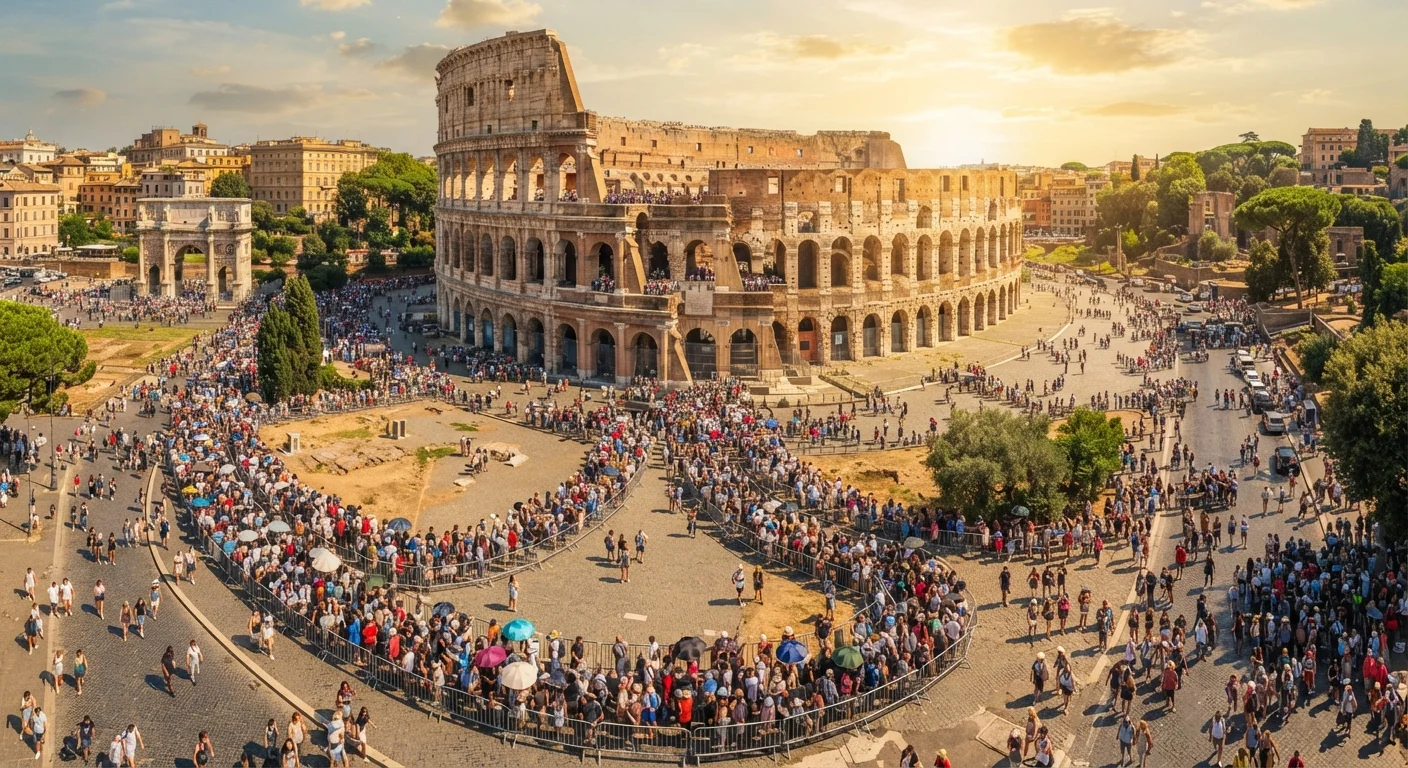
Famous landmarks, national parks, and museums draw their largest visitor numbers during peak season, meaning waits of an hour or more aren't unusual.
Hidden fees are more prevalent and less negotiable
Resort fees, parking surcharges, and dynamic pricing all tend to be enforced more strictly during high-demand periods. See our guide on hidden costs that inflate travel budgets for what to watch.
Travel delays are more likely
Airports, highways, and popular transit corridors are at their most congested during peak season, making delays and missed connections a genuine risk.
Planning Assumptions Can Cost You
A surprising number of peak-season frustrations trace back to assumptions made during planning - like assuming a visa isn't required, or that a popular site doesn't need timed-entry tickets. Before you finalize any itinerary, it's worth reviewing common planning oversights that catch even experienced travelers off guard. Always verify entry requirements and attraction policies through official sources before you travel.
If the trade-offs here feel significant, it's worth seriously comparing shoulder season travel - the period just before or after peak - which often offers meaningful savings and lighter crowds without sacrificing much of the experience.
How to Get the Most Out of Peak-Season Travel
The travelers who enjoy peak-season destinations most tend to share a few habits. They book early - accommodations, popular tours, and timed-entry tickets - often months in advance. They arrive at major attractions right at opening time, which typically means thinner crowds for the first hour or two. And they treat the midday rush as an opportunity to eat lunch somewhere off the main drag rather than waiting in line at the obvious spots.
3-4 months
Advance booking lead time for peak travel
Travel industry guidance generally recommends booking popular accommodations and flights three to four months ahead for high-demand summer and holiday periods.
20-50%
Typical price premium over shoulder season
Depending on the destination, peak-season rates for flights and hotels commonly run 20 to 50 percent higher than shoulder-season equivalents, according to general travel pricing research.
Managing expectations about pace also helps. Peak-season travel rewards flexibility. If one landmark has a two-hour wait, having a backup plan nearby keeps the day moving. The goal is to stay curious rather than rigidly itinerary-driven.
For anyone planning their first big trip, our travel budgeting walkthrough is a practical starting point - especially for destinations where costs spike significantly in summer and holiday windows.
The content on this site is for informational purposes only and is not a substitute for professional advice. Always consult a qualified professional for guidance specific to your situation.