

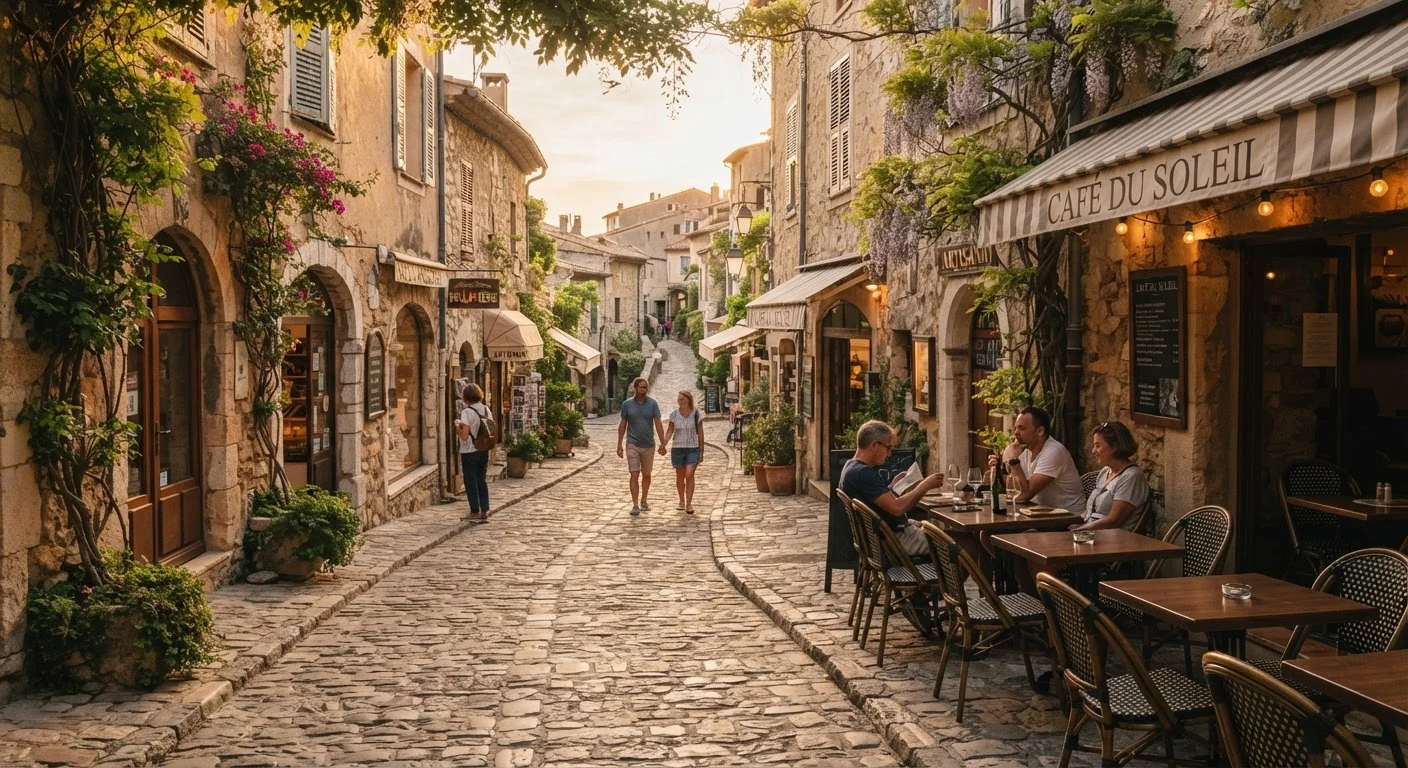
What Shoulder Season Actually Means
Shoulder season is the stretch of weeks - sometimes a full month or two - that bookend a destination's busiest travel window. Think late September in Paris after summer families have gone home, or early May in Hawaii before schools let out. It's not off-season (where some things genuinely close), and it's not peak season (where everything is packed and priced accordingly). It lives in between, and that middle ground is where savvy travelers tend to find the most satisfying experiences.
The exact timing shifts depending on the destination. A ski town's shoulder season might be October or April. A beach resort's might be October or April, too - but for entirely different reasons. Understanding how a specific place defines its peaks and valleys is the first step to taking advantage of the calendar. For a deeper look at what happens when you go even further off the calendar, see our guide on what off-season travel actually means.
Research destination-specific shoulder windows
Shoulder season isn't a universal calendar date - it's defined differently for every destination. Before you book, look up when the high season officially runs for your specific location, then check what the weeks immediately before and after look like for weather, events, and typical visitor volume. A few hours of research at the planning stage can reshape your entire experience on the ground.
Seven Reasons Shoulder Season Deserves a Closer Look
Crowds thin out noticeably
Peak-season travel at popular destinations can mean hour-long entry queues, packed beaches, and restaurants that won't seat you without a reservation made weeks in advance. Shoulder season doesn't eliminate other travelers, but it reduces them significantly. You're more likely to actually see the thing you came to see - whether that's the Eiffel Tower, the Grand Canyon rim, or a famous market street - rather than photographing other people's heads. For a candid picture of what peak-season crowds actually look like, our piece on traveling to popular destinations at peak times is worth a read before you commit to a high-demand window.
Fewer crowds mean you spend less time waiting and more time actually experiencing your destination.
Accommodation costs often ease up
Hotels, vacation rentals, and resorts frequently adjust rates based on demand. When that demand dips - even slightly - so can the nightly price. Shoulder-season pricing isn't guaranteed to be dramatically lower, and it varies enormously by destination and property, but it's common to find more room in the budget simply by shifting two weeks earlier or later. That breathing room can mean upgrading your accommodations without stretching your budget, or putting savings toward experiences instead.
A slight shift in travel dates can move you out of peak pricing without sacrificing destination quality.
Weather is often still perfectly comfortable
One of the most persistent myths about shoulder season is that the weather turns unpleasant the moment peak season ends. In reality, many destinations have some of their most agreeable conditions during shoulder months. Think of coastal New England in September - still warm, brilliant foliage beginning, far fewer summer vacationers. Or consider the Pacific Northwest in early June: cooler than July's heat, but spectacular. Our comparison of Coastal New England vs. the Pacific Northwest explores how each region shifts by season.
Shoulder months often bring milder, more comfortable temperatures than the sweltering peak of summer.
Locals are more visible - and more accessible
At peak travel times, popular destinations can feel more like theme parks than real places. The staff, vendors, and service workers are exhausted, and the local culture gets somewhat buried under the sheer volume of visitors. Shoulder season shifts that balance. Restaurants that cater to locals rather than tourists are easier to find. Shopkeepers have time to actually talk to you. You get a truer sense of what a place is actually like - which is usually the whole point of traveling somewhere in the first place.
Shoulder season lets destinations breathe, giving travelers a more authentic and local experience.
Booking logistics become easier
During peak season, the logistics of travel can feel like a second job - monitoring availability, competing for reservation slots, and making decisions weeks or months ahead under pressure. Shoulder season loosens that grip. You're less likely to find that your preferred hotel is fully booked or that the restaurant you wanted requires a reservation made six weeks in advance. That flexibility is meaningful, especially for travelers who prefer to leave some itinerary space open. If you're still working out when to book relative to your travel dates, the breakdown of booking far ahead vs. last minute can help clarify the right approach for shoulder-season timing specifically.
Shoulder season gives back the spontaneity that peak-season demand strips away from most travelers.
Attractions and infrastructure are fully operational
Unlike true off-season travel - where some tours stop running, seasonal restaurants close, and certain attractions go into maintenance mode - shoulder season generally keeps everything open. You get the full destination experience without the crowds that come with peak timing. This is the sweet spot: the infrastructure is there for you, but the masses who usually fill it have moved on. It's worth distinguishing this from off-season, where trade-offs are more significant.
Everything is open, but the masses haven't arrived yet - that's the shoulder season sweet spot.
It suits a range of travel styles and group sizes
Whether you're traveling solo, as a couple, or coordinating a group trip, shoulder season tends to accommodate everyone more gracefully. Solo travelers can walk into restaurants and get seated immediately. Couples can book the room they actually want, not just whatever's left. Groups - which require more coordination and booking volume - find it easier to align on accommodations and activities when availability is less constrained. For anyone weighing the dynamics of traveling with others versus going it alone, our guide on group trip vs. solo travel covers the real-world logistics of both.
From solo adventurers to coordinated group trips, shoulder season accommodates more travel styles with less friction.
Shoulder Season Varies by Destination Type
A beach destination and a mountain town may have opposite shoulder seasons even if they're geographically close. Ski resorts, for instance, often have shoulder periods in late spring and early fall that overlap with peak beach travel months. Always research your specific destination rather than applying a general seasonal rule. Conditions, prices, and what's open can all shift significantly based on the type of place you're visiting.
Making the Most of Shoulder Season Planning
The biggest lever you have is date flexibility. Shifting a trip even three or four days can push you firmly into or out of shoulder pricing windows. Our article on why flexible travel dates save you more than you'd expect breaks down exactly how this works across flights and hotels.
Shoulder season also pairs naturally with a more relaxed pace of travel - fewer crowds mean you can linger at museums, explore neighborhoods without jostling, and make same-day reservations that would be impossible in July. That unhurried rhythm aligns well with the slow travel approach, which prioritizes depth over cramming in as many stops as possible. Whether you're planning a coastal escape or a mountain retreat, shoulder season can quietly be the smartest decision you make.
The content on this site is for informational purposes only and is not a substitute for professional advice. Always consult a qualified professional for guidance specific to your situation.