

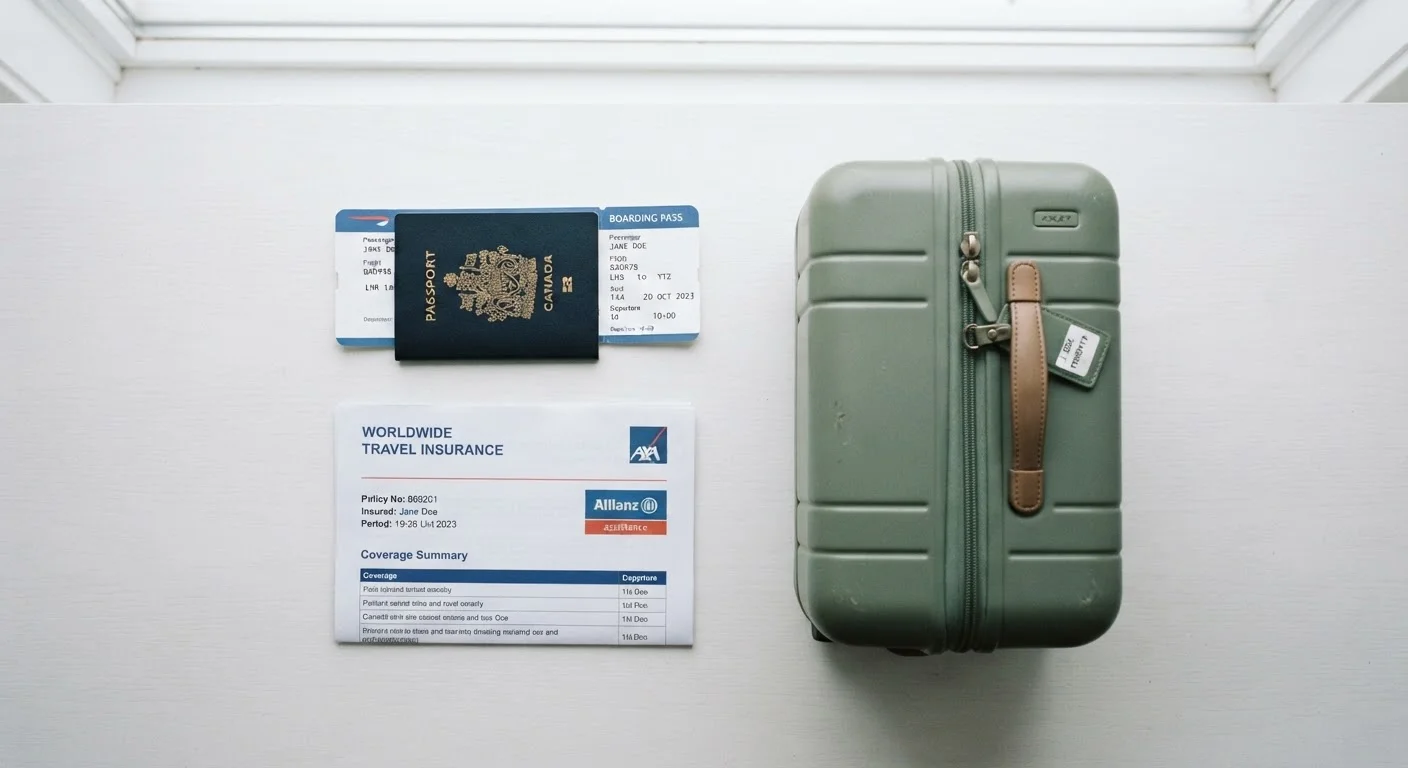
What Standard Travel Insurance Typically Covers
Most comprehensive travel insurance plans bundle several types of protection into one policy. Here's what you'll commonly find included:
- Trip Cancellation: Reimburses prepaid, non-refundable costs if you cancel for a covered reason - typically illness, injury, a death in the family, jury duty, or a named hurricane hitting your destination.
- Trip Interruption: Similar to cancellation, but kicks in after your trip has started. If you have to cut your vacation short due to a family emergency, this covers unused portions and the cost to get home early.
- Emergency Medical Expense: Covers hospital bills and treatment costs if you're injured or become ill abroad. This is especially critical because most US health insurance - including Medicare - provides very limited or no coverage outside the country.
- Medical Evacuation and Repatriation: Pays for emergency transport to the nearest adequate medical facility, or back to the US if medically necessary. Evacuation can easily cost $50,000 or more without coverage.
- Baggage Loss and Delay: Compensates for lost, stolen, or damaged luggage up to a policy limit. Baggage delay coverage typically reimburses you for essential items purchased while waiting for your bags.
- Travel Delay: Covers meals and lodging when your trip is delayed beyond a set threshold due to a covered reason like a carrier delay.
$50,000+
Typical cost of international medical evacuation
Medical evacuation costs vary widely by destination and circumstance, but industry estimates commonly cite figures ranging from $50,000 to over $200,000 without insurance coverage.
~90%
Americans whose health plans offer little or no overseas coverage
Most US employer-sponsored health plans and Medicare provide very limited reimbursement for medical care received outside the United States, according to general insurance industry guidance.
50-75%
Typical reimbursement rate for Cancel For Any Reason upgrades
CFAR riders generally reimburse a portion - not all - of prepaid trip costs, and must typically be purchased within days of the initial trip deposit.
What Travel Insurance Typically Does NOT Cover
This is where many travelers get tripped up. Standard policies carry significant exclusions that can leave you holding the bill if you're not careful.
- Pre-existing medical conditions: Most plans exclude conditions that existed before you bought the policy, unless you purchase a specific waiver early in the booking process.
- Cancellations due to fear or disinclination: Deciding you no longer want to go - even for understandable reasons like rising crime reports - is not a covered reason unless you've added a Cancel For Any Reason (CFAR) upgrade.
- High-risk activities: Skydiving, bungee jumping, backcountry skiing, and similar adventure sports are routinely excluded unless you purchase an adventure sports rider.
- Traveling against government advisories: If the U.S. government has issued a Level 4 'Do Not Travel' advisory for your destination and you go anyway, many policies won't pay out. Always check travel.state.gov before departing.
- Pandemics and epidemics: Coverage for pandemic-related cancellations varies enormously by policy and the specific circumstances. Don't assume - read the policy language directly.
- Intoxication or reckless behavior: Claims arising while you were under the influence of alcohol or drugs are almost universally excluded.
Buy Early to Unlock More Benefits
Many time-sensitive benefits - including pre-existing condition waivers and Cancel For Any Reason upgrades - are only available if you purchase your policy within a short window after making your first trip deposit. Waiting until the week before departure means you may only qualify for a stripped-down version of coverage.
The Fine Print That Changes Everything
Even within covered categories, important limits and definitions shape what you actually receive. A few key details to watch for:
Coverage limits per category: A policy might advertise $2,500 in baggage coverage, but individual item limits - say, $500 per article - could mean your stolen camera isn't fully replaced. Always check sub-limits for electronics and jewelry.
Definition of 'covered reasons': The list of qualifying reasons for cancellation or interruption is finite and specific. A work obligation, for example, is only covered by some policies - not all.
Primary vs. secondary medical coverage: Primary coverage pays your bills directly. Secondary coverage steps in only after your existing health insurance pays its share. If you're traveling internationally and your health plan offers nothing abroad, the distinction matters less - but it's worth confirming.
When you must file: Most policies require you to report losses promptly and keep documentation. Waiting too long or lacking receipts can result in a denied claim.
When in Doubt, Call Your Insurer Before Filing
If you're unsure whether a situation qualifies for a claim, contact your insurer before taking action - especially for medical care abroad. Some policies require pre-authorization for hospital admission or evacuation. Acting first and asking later can result in a denied claim even for events that would otherwise be covered.
For a broader look at how insurance policy language shapes what's actually protected, the common mistakes drivers make about coverage applies just as readily to travel policies. Similarly, renters insurance has its own coverage gaps that surprise policyholders.
How to Read a Policy Before You Buy
Shopping for travel insurance doesn't have to be overwhelming if you know what to look for. Start with the Summary of Benefits or the Schedule of Coverage - a condensed breakdown of limits and key exclusions. Then read the full policy document for anything involving pre-existing conditions, covered reasons, and exclusions.
When comparing plans, look beyond the headline price. A plan covering $100,000 in medical expenses and $500,000 in evacuation offers meaningfully different protection than one capping those at $25,000 and $100,000, respectively.
If you're planning an all-inclusive or independent trip, your coverage needs may differ - independent travelers generally carry more financial risk from disruptions than those on packaged tours, making robust cancellation and medical coverage especially important.
Finally, always verify visa requirements, vaccination rules, and local safety conditions through official U.S. government sources before you travel. Insurance is a financial safety net - not a substitute for informed planning.
This article is for general informational purposes only and does not constitute insurance, financial, or legal advice. Coverage terms, exclusions, and eligibility vary by policy and provider. Consult a licensed insurance professional and review actual policy documents before purchasing any insurance product.
Frequently Asked Questions
Standard policies only cover cancellations due to specific listed reasons, such as illness, injury, or a death in the family. If you want flexibility to cancel for any reason, you'd need a 'Cancel For Any Reason' (CFAR) upgrade, which typically reimburses 50-75% of prepaid costs and must be purchased shortly after your initial trip deposit.
Most standard policies exclude pre-existing conditions unless you purchase a pre-existing condition waiver. This waiver is usually only available if you buy your policy within a set window - often 14 to 21 days - after making your first trip deposit. Check individual policy terms carefully.
Weather coverage is limited. A hurricane or severe storm that renders your destination uninhabitable may qualify, but general bad weather or flight delays typically do not trigger cancellation benefits. Travel delay coverage may apply if you're stuck somewhere due to weather.
Some credit cards include limited travel protections like trip delay reimbursement or lost luggage coverage. However, these benefits are usually narrower and have lower limits than standalone policies - and rarely include robust medical or evacuation coverage. Review your card's benefits guide carefully.
Medical evacuation - airlifting you to an adequate hospital or back home - can cost tens of thousands of dollars out of pocket. Most domestic US health insurance plans provide little or no coverage outside the country. For international travel, evacuation coverage is widely considered one of the most valuable protections.
Travel delay coverage reimburses reasonable additional expenses - meals, lodging, transportation - when your trip is delayed beyond a specified number of hours (often 6 or 12) due to a covered reason like a carrier delay or severe weather. It does not cover delays caused by factors within your control.
The content on this site is for informational purposes only and is not a substitute for professional advice. Always consult a qualified professional for guidance specific to your situation.