

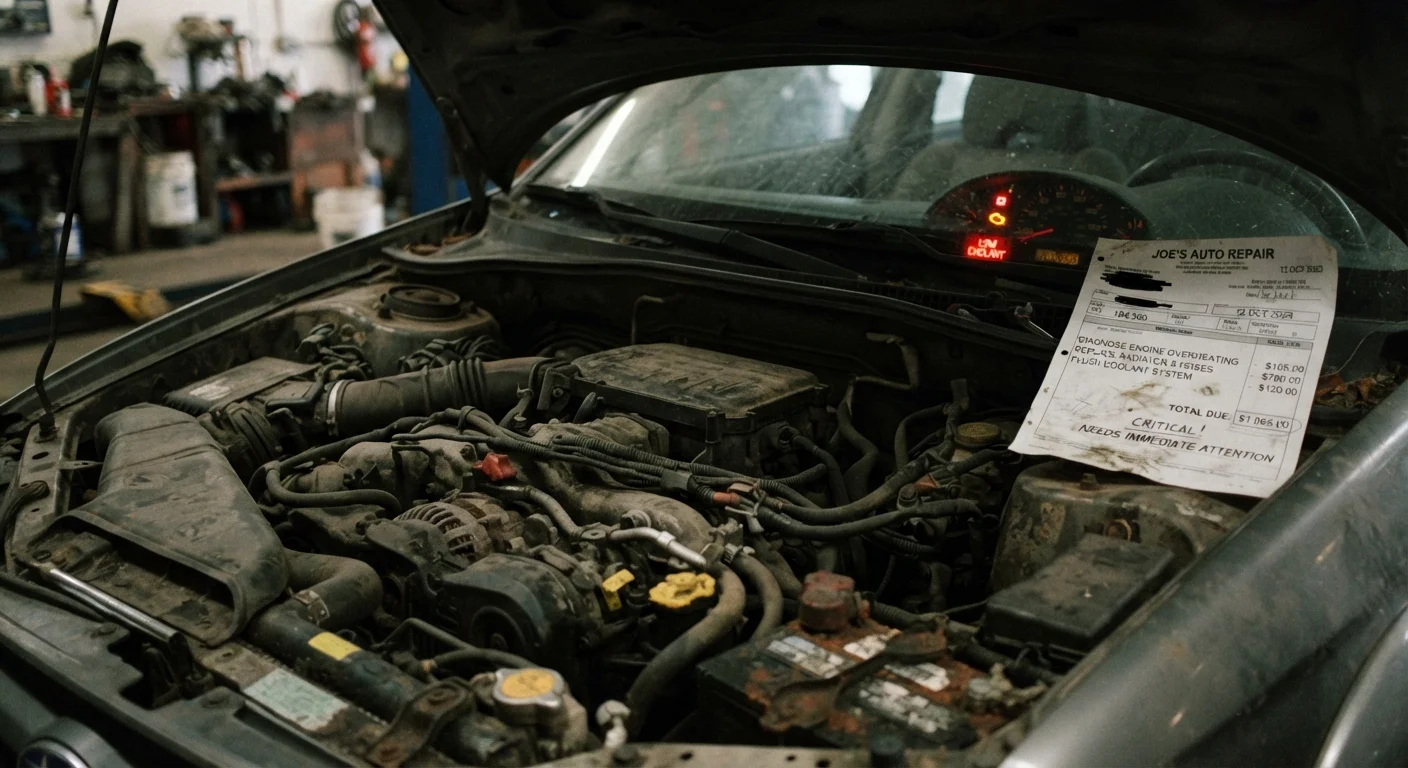
Why Deferred Maintenance Is So Common
Most drivers don't skip oil changes or brake inspections out of negligence - they do it because life gets busy and the car still seems to run fine. A warning light flickers on, then the day gets away from you. A shop quotes a repair you weren't expecting, so you table it until next month. This pattern is understandable, and it's also how small problems become expensive ones.
Deferred maintenance - putting off recommended service or repairs - tends to snowball. A component that fails often stresses the parts connected to it. What started as a $30 fix can quietly become a $400 repair, or worse, a safety issue. Understanding which tasks carry the highest risk when delayed can help you make better decisions about where to spend and what to prioritize. For a broader foundation, see our practical guide to car ownership basics.
$1,200+
Average cost of an engine repair from oil neglect
Industry repair data consistently shows that engine damage linked to irregular oil changes is among the most expensive outcomes of deferred maintenance, often running into four figures.
2-3×
Cost multiplier when brake pads wear to rotors
Waiting until brake pads are fully worn typically means replacing rotors as well as pads, roughly doubling or tripling the repair cost compared to catching wear early.
The Most Costly Maintenance Mistakes Drivers Make
The following mistakes come up repeatedly when mechanics describe why straightforward repairs escalate into major jobs. Each one is avoidable - and understanding why they happen makes them easier to catch before they compound.
Skipping oil changes past the recommended interval.
Why it happens: Oil changes feel routine and easy to push back, especially when the car shows no immediate symptoms. Many drivers also confuse old advice (every 3,000 miles) with current guidance, which varies by vehicle and oil type.
Waiting too long to replace brake pads.
Why it happens: Brakes degrade gradually, so the change is hard to notice until grinding or squealing starts. Some drivers also assume the noise means the pads are 'almost gone' rather than already worn through.
Ignoring coolant flushes and level checks.
Why it happens: Coolant is out of sight, so it's easy to overlook. Many drivers only think about it after overheating occurs, by which point engine damage may already be present.
Delaying tire rotation and alignment checks.
Why it happens: Tires wear slowly, and uneven wear isn't always obvious from the driver's seat. Rotation and alignment feel like optional extras rather than protective maintenance.
Putting off replacing a worn serpentine belt.
Why it happens: Serpentine belts rarely give visible warning before they fail, and replacement seems expensive if the car appears to be running normally. Many drivers don't know the belt drives the alternator, power steering, and water pump simultaneously.
Don't Dismiss Warning Lights
Dashboard warning lights - especially those related to oil pressure, coolant temperature, or the check engine system - are not suggestions. Driving with an active warning light for days or weeks can allow a manageable issue to become a major repair. If a light comes on and stays on, have it diagnosed promptly. Many auto parts retailers will read diagnostic codes for free, which at minimum tells you what system is affected.
How to Build a Maintenance Habit That Actually Sticks
The most effective way to avoid deferred maintenance isn't just willpower - it's removing the friction that causes delays. A few habits help most drivers stay on track.
- Use your owner's manual as a schedule. Manufacturers specify service intervals for oil, filters, coolant, brakes, belts, and more. These intervals are based on real engineering data, not guesswork.
- Set calendar reminders tied to mileage. Many people check their odometer only when something goes wrong. Setting a recurring reminder every 5,000 miles, or after a long road trip, creates natural checkpoints.
- Ask for a written inspection when you get routine service. A simple oil change visit is an opportunity to catch issues early. Most shops will note anything that looks worn - you don't have to fix it that day, but you'll know it's there.
- Separate the urgent from the deferrable. Not all maintenance carries equal urgency. Brake pads at 2mm of remaining life are a safety issue. A slightly dirty cabin air filter is not. Knowing the difference protects your finances and your safety simultaneously.
If you're weighing which tasks to handle yourself versus taking to a shop, our guide on DIY maintenance vs. professional service can help you think through the tradeoffs. Staying proactive about your car is one of the more straightforward ways to protect a significant financial asset - a principle that applies equally to smart everyday spending habits more broadly.
This article is for general informational purposes only. For specific repair recommendations, consult a qualified mechanic who can assess your vehicle directly.
The content on this site is for informational purposes only and is not a substitute for professional advice. Always consult a qualified professional for guidance specific to your situation.