

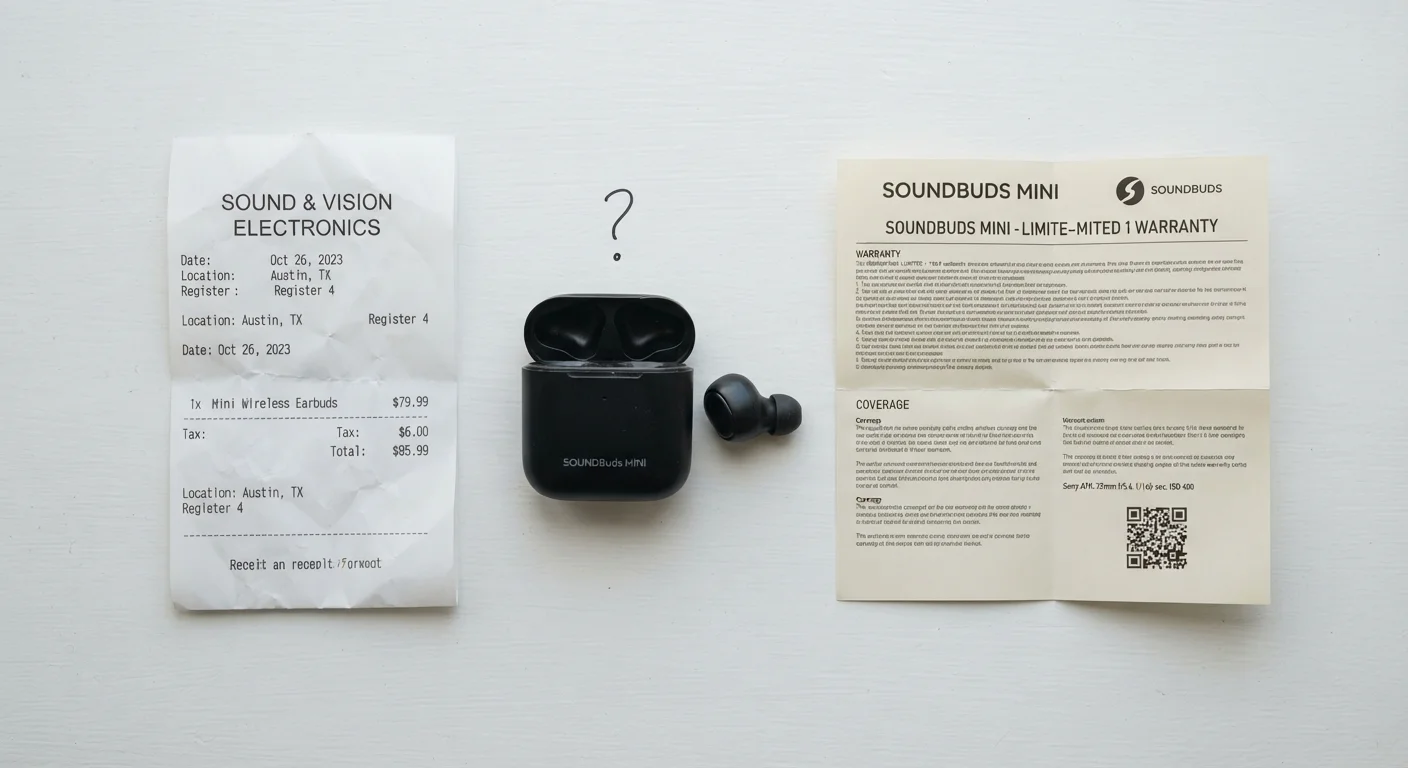
Our Verdict
Extended warranties are designed to be profitable for sellers, not protective for buyers. For most everyday purchases, the odds of a claim that actually pays off are low, and the exclusions in the fine print make payouts harder to collect than advertised. That said, a limited set of high-cost, failure-prone items may justify a closer look.
Consumers who rely heavily on a single expensive appliance or device - and who lack a savings buffer for unexpected repairs - may find extended coverage worth evaluating, provided they read the contract terms carefully before buying.
How Extended Warranties Are Priced - and Why
Extended warranties - sometimes called service contracts or protection plans - are add-on agreements that promise to cover repairs or replacement after the manufacturer's warranty expires. What most buyers don't realize is that these plans are priced to generate profit, not just break even.
Retailers and third-party warranty providers typically mark up service contracts at margins of 50% to 80% of the product's sale price. That's why salespeople are often incentivized to pitch them - the commission on a warranty can rival or exceed the commission on the product itself. The pricing reflects expected claims costs, administrative overhead, and a deliberate profit layer, not the actual likelihood that your specific device will break.
50-80%
Typical profit margin on extended warranties
Consumer advocacy research has consistently found that service contracts carry among the highest profit margins of any retail product category.
~3 in 10
Buyers who ever file a warranty claim
Industry estimates suggest the majority of extended warranty holders never submit a claim, meaning most buyers pay for coverage they don't use.
Understanding this structure matters because it reframes the question. You're not buying insurance against a known risk - you're paying for a financial product where the seller has already calculated that most buyers won't collect.
The Pros: When a Warranty Might Pull Its Weight
Covers expensive repairs on complex, high-cost items
For appliances or electronics where a single repair rivals or exceeds the warranty cost, coverage can make financial sense - particularly in the first few years of heavy use.
Predictable cost for households without a repair fund
A fixed upfront cost eliminates the uncertainty of an unexpected $400 repair bill, which can matter if your budget has little room for surprises.
May include convenience services like in-home repair
Some service contracts include on-site technician visits or loaner replacements, which saves time compared to shipping a device or scheduling a shop visit yourself.
Warranties aren't useless in every situation. For high-cost appliances like refrigerators, dishwashers, or HVAC systems - where a single repair can run $300 to $800 - coverage can offset a meaningful expense. The same applies to complex electronics like laptops used daily in demanding conditions.
There's also a behavioral argument: if you're the type who won't set aside a repair fund, a warranty forces that commitment upfront. Whether that's cost-effective is another question, but it does eliminate the stress of an unexpected repair bill.
The Cons: Why the Math Usually Fails the Buyer
High profit margins mean the odds favor the seller
Warranty products are priced with margins of 50-80%, meaning statistically most buyers pay in far more than they ever collect in claims.
Exclusions routinely limit what's actually covered
Accidental damage, cosmetic issues, power surge damage, and pre-existing conditions are commonly excluded - often leaving buyers with the same repair costs they expected to avoid.
Products typically fail outside the warranty window
The reliability "bathtub curve" means failures cluster early (under the manufacturer's warranty) or late (after extended coverage lapses), making the overlap period where extended warranties pay out relatively small.
Credit cards may already provide equivalent coverage
Many major credit cards automatically extend manufacturer warranties and add purchase protection, duplicating coverage buyers are paying an extra fee to receive.
Self-insuring often outperforms buying coverage
Setting the warranty cost aside in savings across multiple purchases typically generates a larger pool than any single warranty would pay out, without conditions or exclusions.
The most common pattern with consumer electronics and appliances is what reliability engineers call the "bathtub curve": products tend to fail early (covered by the manufacturer's warranty) or late (after the extended warranty has expired). The window of overlap - when an extended warranty would actually pay out - is narrower than sellers imply.
Beyond timing, the exclusions matter enormously. Most service contracts exclude accidental damage, cosmetic damage, damage from power surges, and "pre-existing conditions." Reading the fine print often reveals a product that covers far less than the pitch suggested. For a broader look at how policy language can leave you uncovered in ways you didn't expect, see what drivers often misread in their own policies - the same principle applies to product warranties.
Free Alternatives Most Buyers Already Have
Before paying for extended coverage, it's worth checking what you already own. Many major credit cards automatically extend the manufacturer's warranty by one year on eligible purchases at no cost. Some cards go further, adding purchase protection against accidental damage or theft for a limited window after purchase.
Check Your Credit Card Benefits First
Before purchasing any extended warranty at checkout, log into your credit card's benefits portal or call the number on the back of the card. Visa, Mastercard, and American Express each offer warranty extension and purchase protection programs on many of their cards - often with no enrollment required. The coverage terms vary by card, so it's worth a five-minute check before spending money on a plan you may already have.
The smarter move for most shoppers is to self-insure: put what you would have spent on a warranty into a dedicated savings account. Over time, across multiple purchases, that fund builds up and covers repairs on the rare occasion something breaks - without the exclusions, the deductibles, or the fine print.
If you're budgeting for a major purchase like a vehicle, it helps to account for the full picture of ownership costs upfront. The real costs of owning a car lays out how service contracts fit into that broader expense landscape. Similarly, home warranties share many of the same structural limitations as product warranties, and are worth approaching with the same skepticism.
This article is for general informational purposes only and does not constitute financial or legal advice. Readers should review contract terms carefully and consult a qualified professional for guidance specific to their situation.
The content on this site is for informational purposes only and is not a substitute for professional advice. Always consult a qualified professional for guidance specific to your situation.