
Our Verdict
A home warranty can be a practical financial cushion for homeowners who face unpredictable repair costs, particularly on aging systems and appliances. However, the limitations - exclusions, caps, and service fees - mean the plan may not always deliver the savings it promises. Whether it's worth the annual cost depends heavily on the age of your home, the condition of its systems, and how carefully you read the contract.
Home warranties are most valuable for buyers of older homes or those with aging appliances who want predictable repair costs and don't have a substantial emergency fund.
What a Home Warranty Actually Is
A home warranty is a service contract - not an insurance policy - that covers the repair or replacement of specific home systems and appliances when they fail due to normal wear and tear. Common covered items include HVAC systems, plumbing, electrical systems, water heaters, refrigerators, dishwashers, and washers and dryers, depending on the plan you choose.
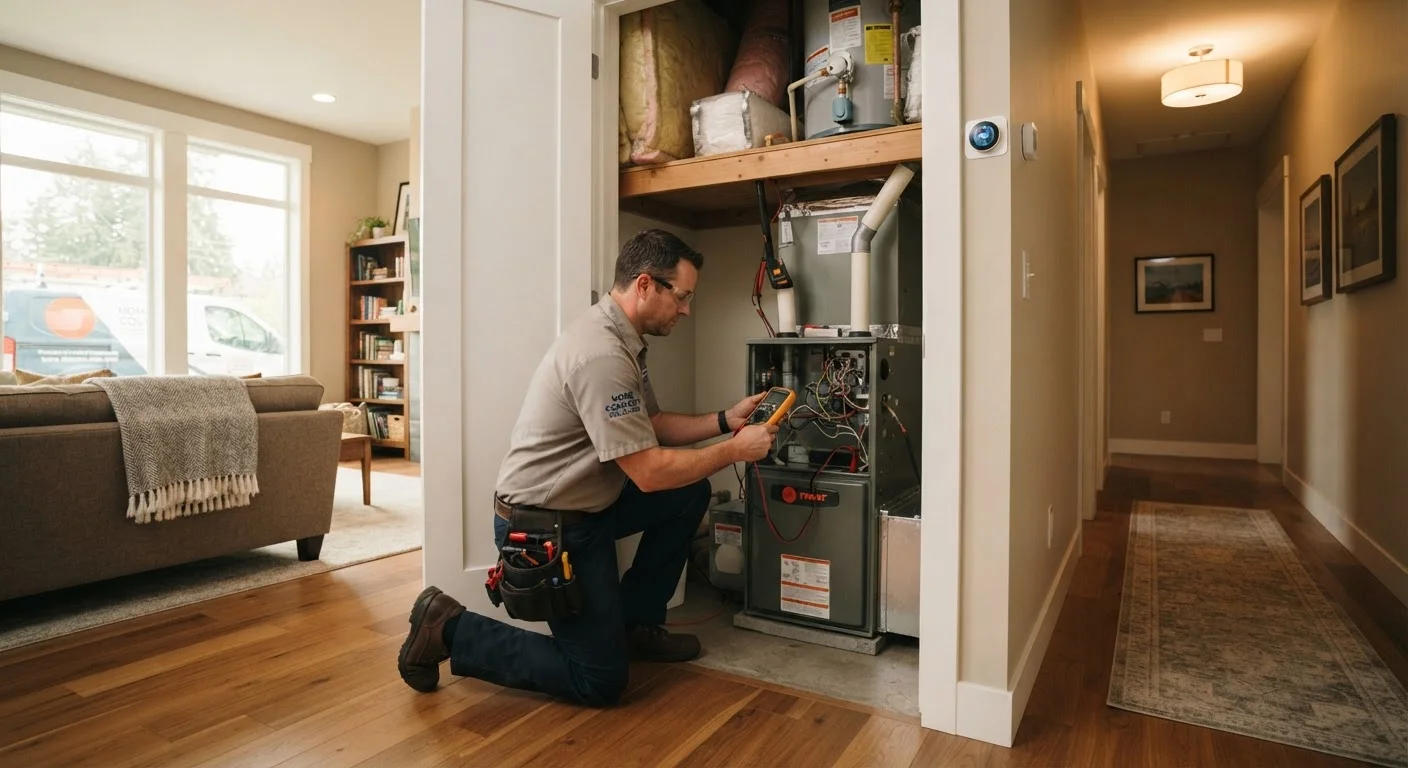
When a covered item breaks down, you contact the warranty company, pay a service call fee (typically ranging from $75 to $125), and the company dispatches a vetted contractor to diagnose and fix the problem. If the item can't be repaired, the company may replace it - though replacement decisions are made by the provider, not the homeowner.
It's important to distinguish a home warranty from homeowners insurance. Homeowners insurance protects against sudden damage from events like fire, theft, or severe weather. A home warranty addresses mechanical failures from everyday use. The two products are complementary, not interchangeable. To understand how coverage gaps can arise with similar products, see our look at how warranties are priced and when they make sense.
Home Warranty vs. Homeowners Insurance
These two products serve different purposes and are not substitutes for each other. Homeowners insurance covers damage from sudden, external events such as storms, fire, or theft. A home warranty covers the mechanical breakdown of systems and appliances from normal use over time. Most mortgage lenders require homeowners insurance; a home warranty is entirely optional. Having both means fewer gaps in your overall coverage picture.
The Genuine Advantages
For many homeowners, particularly those who have just purchased a home, a warranty offers real peace of mind during an already expensive transition.
Predictable costs for major repair events
Rather than facing a $2,000-$5,000 unexpected HVAC or plumbing bill, a warranty caps your out-of-pocket expense to a service call fee. This makes budgeting more manageable, especially in the first years of homeownership.
Covers wear-and-tear failures homeowners insurance won't
Homeowners insurance excludes mechanical breakdowns from regular use. A home warranty fills this specific gap, covering the gradual deterioration that's inevitable in any home's systems and appliances.
Access to pre-screened service contractors
Warranty companies typically maintain networks of licensed, vetted contractors, saving homeowners the time and uncertainty of sourcing a reliable technician independently during a stressful repair situation.
Useful buffer for older homes with aging systems
Homes with systems approaching the end of their typical service life carry higher repair risk. A warranty can act as a bridge, absorbing repair costs while a homeowner plans for eventual full replacement.
$300-$600
Typical annual home warranty premium
According to general industry estimates, annual home warranty premiums vary by coverage tier, home size, and region, with basic plans typically starting around $300 per year.
$75-$125
Typical service call fee per visit
Most home warranty contracts require a per-visit service fee paid directly to the contractor, separate from the annual premium, each time a claim is made.
Another underappreciated benefit is contractor vetting. Homeowners who use a warranty don't have to scramble to find a reputable technician in an emergency - the warranty company maintains a network of pre-screened service providers. This can be especially useful for first-time homeowners unfamiliar with local contractors.
The Real Limitations
The downsides of home warranties are often buried in the fine print, which is why many homeowners are surprised when a claim is denied or only partially paid. Understanding these limitations before signing a contract is essential.
Exclusions can make coverage feel misleading
Most contracts exclude pre-existing conditions, improper installation, and failures linked to lack of maintenance. A claim can be denied even when the homeowner believes the failure is clearly covered.
Coverage caps may not reflect real replacement costs
Many plans impose per-item or annual dollar caps. If a covered item costs more to replace than the cap allows, the homeowner is responsible for the remaining balance - sometimes a substantial amount.
Service call fees add up with multiple claims
Each service visit typically requires a separate fee. If several systems fail in one year, those fees accumulate and can erode or eliminate the financial benefit of having coverage.
Homeowner has limited control over repair decisions
The warranty company - not the homeowner - determines whether an item is repaired or replaced and which contractor performs the work. This can lead to frustration if a homeowner prefers a different repair approach or timeline.
Annual cost may exceed actual claims
For homeowners whose systems remain functional, the yearly premium represents a cost with no tangible return. Over several years, premiums paid may significantly exceed repair costs that were actually incurred.
Misunderstanding what a service contract covers is a common and costly mistake - the same dynamic that catches many people off guard with auto insurance. Our article on what drivers get wrong about their policy coverage illustrates how assumptions about coverage can lead to expensive surprises. The same caution applies here.
Good maintenance habits can also reduce the likelihood of disputed claims. Providers sometimes deny coverage when they determine a failure resulted from neglect rather than normal wear. Our guide on home maintenance myths that cost homeowners money can help you avoid practices that inadvertently void your coverage.
How to Evaluate Whether One Makes Sense for You
A home warranty is worth considering if your home's major systems and appliances are aging but still functional, or if you're purchasing a home whose systems you haven't fully inspected. Buyers using a real estate transaction often receive a one-year warranty from the seller - reviewing what that plan actually covers is a smart starting point.
Before purchasing or renewing a plan, compare the annual premium against your realistic risk. Add up the estimated repair costs of your HVAC, water heater, and major appliances if they failed simultaneously. If that figure far exceeds the warranty cost, coverage may provide genuine value. If your appliances are relatively new with manufacturer warranties still active, the overlap may not justify the expense.
Always request the full sample contract before signing. Look specifically for coverage caps (maximum dollar amounts per claim or per year), exclusions for pre-existing conditions, and whether the provider covers both parts and labor. A plan with a $1,500 cap on HVAC repair may leave a significant gap if a full system replacement costs several thousand dollars.
This article is for general informational purposes only and does not constitute personalized insurance, legal, or financial advice. Coverage terms, exclusions, and costs vary by provider and by state. Always review the full contract and consult a licensed professional before making coverage decisions.
The content on this site is for informational purposes only and is not a substitute for professional advice. Always consult a qualified professional for guidance specific to your situation.