

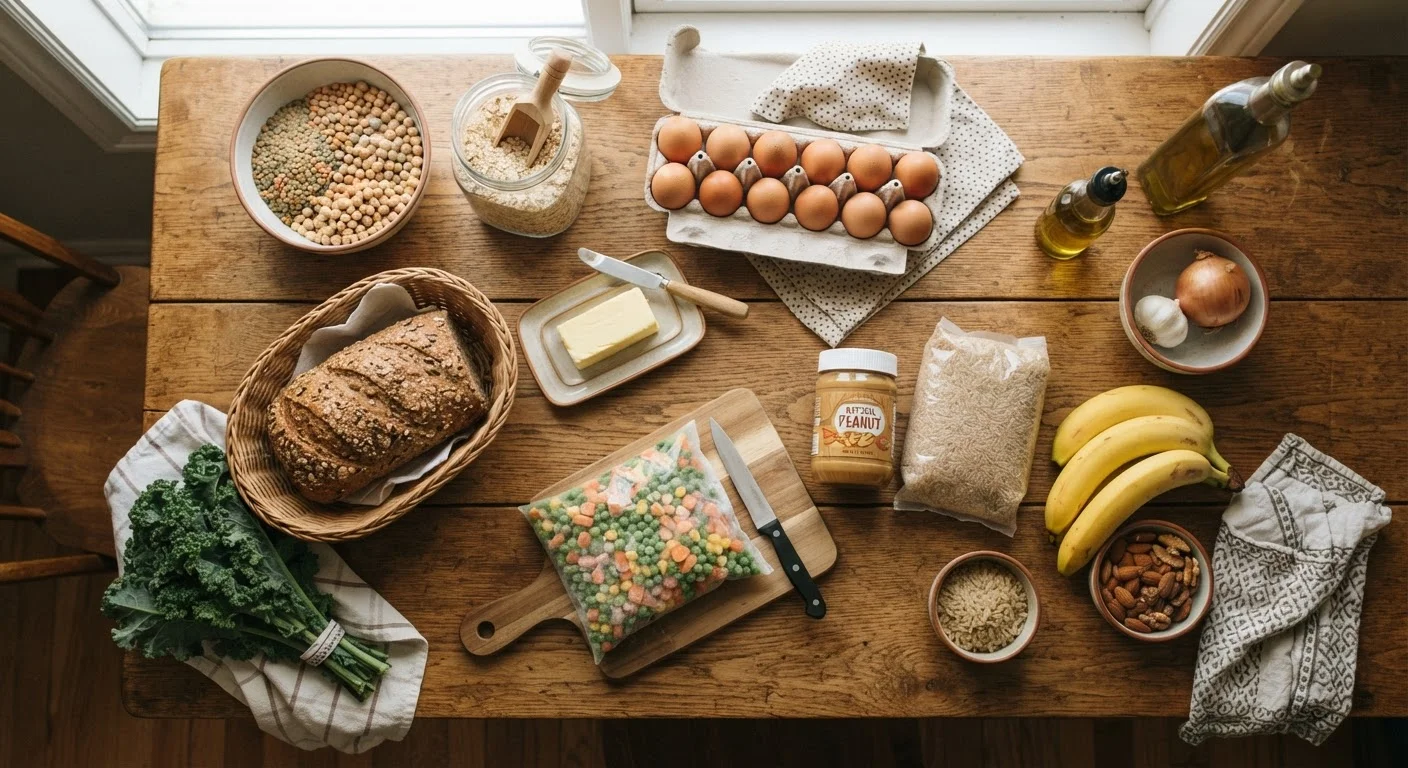
Eating Well Doesn't Have to Cost a Lot
One of the most persistent myths about healthy eating is that it's expensive. While premium packaged health foods can carry steep price tags, the most nutritionally powerful foods in any grocery store are often among the cheapest items on the shelf. Dried legumes, whole grains, eggs, and frozen produce have been staples of balanced diets across cultures for generations - and they remain deeply affordable today.
The key is knowing which foods deliver the most nutrition per dollar, and pairing that knowledge with a few practical shopping habits. Whether you're feeding a family or cooking for one, the strategies below can help you build a genuinely nourishing diet without straining your budget. For a broader look at how food fits into your overall finances, the Budgeting Basics hub offers straightforward strategies for managing monthly spending.
Dried Beans and Lentils
Dried legumes - including black beans, kidney beans, chickpeas, and lentils - are nutritional powerhouses. They provide plant-based protein, dietary fiber, iron, folate, and complex carbohydrates. A one-pound bag typically costs well under two dollars and yields multiple servings when cooked.
Lentils require no soaking and cook in under 30 minutes, making them especially practical for weeknight meals. Use them in soups, stews, grain bowls, or as a meat substitute in tacos and pasta sauces. Canned varieties are a convenient alternative - just rinse them to reduce sodium content.
A single bag of dried lentils can yield a week's worth of high-protein, high-fiber meals.
Rolled Oats
Old-fashioned rolled oats are among the most cost-effective whole grains available. They're rich in soluble fiber - particularly a type called beta-glucan - which research associates with supporting healthy cholesterol levels. A large container costs only a few dollars and provides dozens of servings.
Oats aren't limited to breakfast. They can be used in overnight oats, savory porridge, homemade granola, energy bites, or as a binder in veggie patties. Choosing plain, unflavored oats avoids the added sugar and higher price of flavored packets.
Plain rolled oats deliver whole-grain nutrition at a far lower cost than flavored instant varieties.
Eggs
Eggs are one of the most complete sources of protein available at a low per-serving cost. They contain all nine essential amino acids and provide vitamins B12, D, and choline - a nutrient important for brain health that many Americans don't get enough of, according to nutrition researchers.
Scrambled, hard-boiled, poached, or baked into frittatas, eggs are versatile enough to anchor any meal of the day. A carton of a dozen eggs goes a long way in a household that cooks regularly.
Eggs supply complete protein and key vitamins at one of the lowest costs per serving in any grocery store.
Frozen Vegetables
Frozen vegetables are picked at peak ripeness and flash-frozen shortly after harvest, which preserves most of their nutrients. Studies comparing fresh and frozen produce have found comparable - and sometimes superior - nutrient retention in frozen options for certain vitamins.
Bags of frozen spinach, broccoli, peas, corn, and mixed vegetables typically cost less than their fresh counterparts and last far longer in the freezer, reducing food waste. They work well in stir-fries, soups, casseroles, and as simple steamed side dishes. Look for bags with no added sauces or salt to keep sodium in check.
Flash-frozen vegetables retain most of their nutrients while costing less and lasting longer than fresh.
Canned Fish
Canned tuna, sardines, and salmon provide high-quality protein and omega-3 fatty acids - fats linked by research to heart and brain health - at a price point well below fresh fish. Sardines in particular are rich in calcium and vitamin D, especially when eaten with the soft bones.
Use canned fish in salads, grain bowls, pasta dishes, or on whole-grain crackers. Choosing varieties packed in water rather than oil reduces unnecessary calories, and low-sodium or no-salt-added options are widely available.
Canned sardines and tuna deliver omega-3 fats and protein for a fraction of fresh fish's cost.
Bananas and Seasonal Fruit
Bananas are consistently among the least expensive fresh fruits per pound in U.S. grocery stores. They offer potassium, vitamin B6, vitamin C, and natural sugars that provide quick energy. Beyond bananas, choosing whatever fruit is currently in season - apples in autumn, citrus in winter, berries in summer - gets you better flavor and lower prices than out-of-season imports.
Fruit doesn't need to be elaborate. A banana alongside oatmeal or a sliced apple with peanut butter makes a nutritious, low-cost snack or meal component. Buying fruit in its whole form is almost always cheaper per serving than buying it pre-cut or juiced.
Choosing in-season fruit dramatically lowers cost while maximizing flavor and nutritional freshness.
Store Brands and Unit Pricing
Switching from name-brand to store-brand staples - oats, canned beans, whole-wheat pasta, rice - can cut grocery costs noticeably without affecting nutrition. Store-brand products are often manufactured by the same producers as name brands and must meet identical food safety standards.
Equally important is reading unit price labels on store shelves. These show cost per ounce, count, or serving, allowing you to compare products of different sizes honestly. Larger packages aren't always the better deal. Our article on unit pricing explains exactly how to read these labels. Also worth reviewing: shopping habits that quietly drain a budget, since small routine decisions often matter more than big splurges.
Unit price labels - not package size - reveal which grocery option truly costs less per serving.
Putting It All Together
Building a nutritious, budget-conscious diet is less about finding the perfect food and more about combining reliable staples in flexible ways. A pot of lentil soup, a sheet pan of roasted frozen vegetables, or a bowl of oatmeal topped with a banana covers more nutritional ground than most expensive packaged alternatives - at a fraction of the cost.
Write a List Before You Shop
Going to the grocery store without a list is one of the most common ways to overspend on food. Before each trip, check what you already have at home, plan two to three meals around your staples, and write out only what you need. Sticking to a list reduces impulse purchases and food waste - two of the biggest drains on a household food budget.
Planning meals in advance is one of the most effective ways to avoid waste and overspending. Our weekly meal planning checklist walks you through covering key food groups and reducing daily decision fatigue. Once you're comfortable with portions and variety, building a balanced plate without counting calories can show you how to eyeball a nutritionally sound meal using simple visual cues.
This article is for general informational and educational purposes only and is not a substitute for professional medical or dietary advice. Consult a qualified healthcare provider or registered dietitian for guidance tailored to your individual health needs.
The content on this site is for informational purposes only and is not a substitute for professional advice. Always consult a qualified professional for guidance specific to your situation.