
Why Small Habits Matter More Than Big Repairs
Most plumbing emergencies don't happen suddenly - they develop slowly through ignored warning signs and skipped maintenance. A minor drip under a sink becomes a rotted cabinet floor. A slow-draining tub becomes a full blockage that backs up into the bathroom. The good news is that the habits that prevent these outcomes are neither expensive nor time-consuming.
Just as small spending habits quietly erode a budget, small plumbing oversights add up to real financial damage over time. Building a few simple routines into your home upkeep schedule is far less disruptive than dealing with a burst pipe or a sewage backup. This article outlines the habits that make the biggest difference, explained plainly so you can start applying them today.
Core Plumbing Habits Every Homeowner Should Build
The following practices address the most common sources of plumbing failure in American homes. None require specialized tools or advanced skills - just consistency.
Test your water pressure at least once a year using an inexpensive pressure gauge
Household water pressure above 80 psi (pounds per square inch) puts chronic stress on pipe joints, appliance hoses, and fixture seals - accelerating wear that eventually causes leaks. Most homes operate safely between 40 and 60 psi. Catching high pressure early allows you to install or adjust a pressure-reducing valve before damage occurs.
Use drain strainers in every tub, shower, and kitchen sink
Hair, food particles, and soap scum are the primary causes of residential drain clogs. A simple mesh strainer catches the bulk of debris before it enters the drainpipe, where it accumulates on pipe walls and narrows flow over time. Strainers cost very little and clean out in seconds.
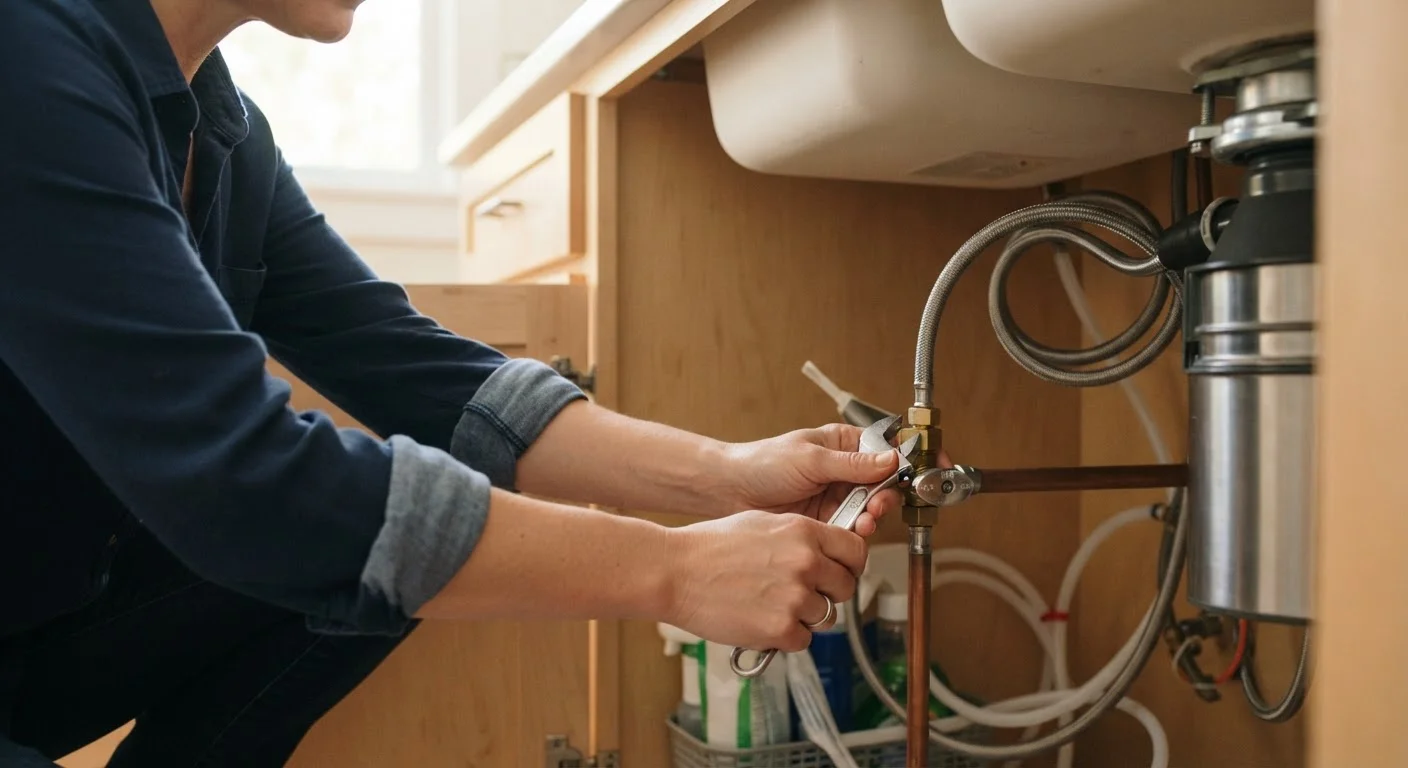
Inspect supply line hoses on washing machines, dishwashers, and toilets annually
Braided stainless or rubber supply lines degrade over time - rubber lines in particular can crack, bulge, or fail without warning. A burst washing machine supply hose is one of the most common sources of significant indoor water damage in residential homes. A quick visual check once a year can catch early signs of wear.
Fix dripping faucets and running toilets promptly - don't wait until it feels urgent
A faucet dripping once per second can waste more than 3,000 gallons of water per year, according to the U.S. Environmental Protection Agency. Beyond water cost, drips often indicate worn washers or valve seats that, left unaddressed, worsen and may require a full fixture replacement. Running toilets waste even more water, often invisibly.
Locate and test your main water shut-off valve so you can operate it quickly in an emergency
When a pipe bursts or a supply line fails, the first priority is stopping water flow. Homeowners who cannot quickly find or turn their main shut-off valve lose valuable minutes while water continues to spread. Testing the valve periodically also prevents it from seizing in place over years of disuse.
Avoid putting fats, oils, or fibrous foods down kitchen drains
Cooking grease solidifies as it cools, coating pipe walls and forming blockages that worsen gradually. Fibrous materials like celery, corn husks, and potato peels strain garbage disposals and contribute to clogs further down the line. Changing disposal and drain habits protects both your home plumbing and the municipal sewer system.
Quick Actions You Can Take This Week
If you're not sure where to start, these immediately actionable steps will bring your plumbing baseline up quickly without requiring a full home inspection.
For a broader view of which maintenance tasks fall within safe DIY territory and which require a licensed plumber, see our guide to DIY versus professional home maintenance. Tasks involving your main supply line, water heater gas connections, or anything behind walls typically require a licensed professional and may need permits - always check your local requirements before proceeding.
When to Call a Licensed Plumber
Some plumbing tasks - including work on main supply lines, water heater connections, sewer laterals, or anything inside walls - require a licensed professional and may require permits under local building codes. If you're unsure whether a repair is within safe DIY scope, err on the side of calling a plumber. Unpermitted or improperly performed plumbing work can create safety hazards and may affect your homeowner's insurance coverage. Always verify local requirements before starting any significant plumbing project.
Building These Habits Into Your Maintenance Routine
Plumbing care works best when it's scheduled, not reactive. Add a brief plumbing check to your seasonal home walkthrough: test shut-off valves, look under sinks for moisture, and run water in guest bathrooms and utility sinks that get infrequent use (stagnant P-traps - the curved pipe section that holds water to block sewer gases - can dry out and let odors in).
If you're new to home ownership and not sure how to structure a maintenance calendar, our first-time homeowner's upkeep guide walks through priorities by season. Plumbing and water management also connect to other parts of your home: moisture in a crawl space, for instance, is often tied to drainage and supply issues. See what causes crawl space moisture and how it's managed for related context.
Keep a Simple Plumbing Log
Write down the date each time you test pressure, inspect supply lines, or service fixtures. A short log - even a notes app on your phone - helps you track how long components have been in service and notice patterns, like a drain that keeps slowing despite regular clearing. This record is also useful if you ever need to describe your home's maintenance history to a plumber or during a home sale.
The content on this site is for informational purposes only and is not a substitute for professional advice. Always consult a qualified professional for guidance specific to your situation.