
What Gutters Actually Do - and Why It Matters
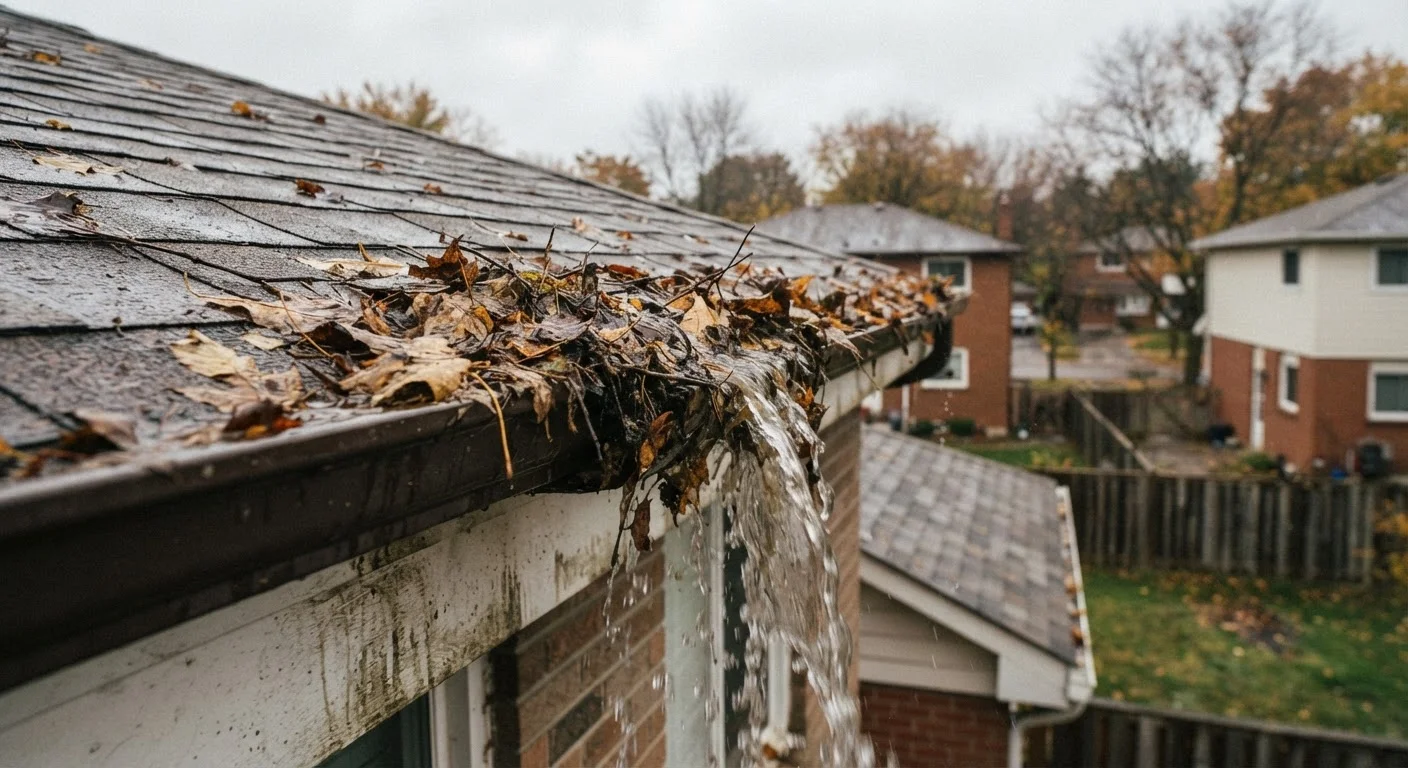
It's easy to overlook gutters. They sit out of immediate sight, and when they're functioning well, you never think about them. But their job is quietly critical: every time it rains, gutters collect water running off your roof and route it safely away from your home's structure.
Without that redirection, water falls in sheets off the roofline and saturates the soil directly against your foundation. Repeated saturation causes erosion, increases hydrostatic pressure against basement or crawl space walls, and over time can lead to cracks and water intrusion. Your siding takes a beating too - wood rot, paint failure, and mold growth all become likely when water runs unchecked down your exterior walls.
The good news is that gutters are one of the simplest systems in your home to maintain. Understanding what they need - and sticking to a schedule - puts you ahead of the majority of the damage they're designed to prevent.
Gutters and Your Landscaping
Properly functioning gutters also protect garden beds and lawn areas near your home's perimeter. When water overflows directly off the roofline, it can compact soil, erode mulch, and damage shallow-rooted plants. If you've invested in landscaping near the house, keeping gutters clear is part of protecting that investment too. For additional outdoor water management tips, see watering your garden well.
What Gutter Maintenance Actually Involves
Gutter maintenance has three core components: cleaning, inspection, and minor repairs.
Cleaning
Cleaning means physically removing leaves, twigs, shingle granules, and other debris from the gutter channel and flushing the downspouts with water to confirm they drain freely. Clogged downspouts are a common oversight - a gutter that looks clean from the ground can still have a blockage at the downspout outlet or elbow joint.
Inspection
While cleaning, look closely at the gutters themselves. Check that the hangers holding the gutters to the fascia are snug, that no sections have separated at the seams, that there's no rust or visible cracking, and that the gutters slope gently toward each downspout. A level gutter won't drain properly; you want a slight pitch.
Minor Repairs
Small leaks at seams can be sealed with gutter sealant (a flexible, waterproof caulk designed for this purpose). Loose hangers can often be re-secured with appropriate screws. Sections with significant rust, holes, or warping generally need replacement. For anything involving ladder work above a single story, or repairs near the roofline, it's worth having a licensed contractor assess the situation safely.
Test Your Downspouts With a Garden Hose
After clearing visible debris from the gutter channel, run a garden hose from the top of each downspout and watch whether water flows freely out the bottom. If it backs up or drains slowly, there's a clog somewhere in the downspout that needs clearing before the next rain. This quick test takes just a few minutes and confirms your system is actually working.
How Often to Schedule Gutter Maintenance
The standard recommendation for most US homes is twice a year: once in late spring (after trees have dropped seeds and pollen) and once in late fall (after the majority of leaves have dropped). This two-season rhythm fits neatly into the broader home maintenance calendar - see the seasonal home maintenance calendar for how gutter care fits alongside other routine tasks.
2x/year
Minimum recommended gutter cleaning frequency
Most home maintenance authorities recommend cleaning gutters at least twice annually, with more frequent cleaning for tree-heavy properties.
4-6 ft
Minimum downspout extension distance from foundation
Standard building guidance suggests downspouts should carry water at least 4-6 feet from the home's foundation to prevent soil saturation.
#1
Ranking of water damage among home insurance claims
Water damage and freezing consistently rank among the most common and costly homeowner insurance claim categories, according to industry data.
Homes surrounded by pine, sweet gum, oak, or other prolific shedders may need cleaning three to four times per year. If you notice debris accumulating after a major storm, don't wait for the scheduled visit - spot-check the downspouts and clear any visible blockages.
Gutter maintenance pairs naturally with other exterior checkups. While you're up there or walking the perimeter, it's a good time to look at caulking around windows and trim - common caulking mistakes are another overlooked source of water intrusion.
Staying Safe and Knowing Your Limits
Ladder safety is the single most important consideration in DIY gutter maintenance. Use a sturdy, properly rated ladder positioned on level ground. Never lean out to the side - reposition the ladder instead. Have someone nearby when possible, especially on taller homes.
If your home has more than one story, the roof pitch is steep, or there's any doubt about structural stability near the roofline, bring in a professional. The cost of a gutter cleaning service is a fraction of what an emergency room visit - or a water-damaged foundation - would cost.
Gutters are also just one piece of a broader water-management picture. The habits you build around exterior maintenance connect directly to interior systems - small plumbing habits inside the home are equally worth reviewing to keep water where it belongs. And don't let common misconceptions steer you wrong - home maintenance myths often lead homeowners to skip the very tasks that matter most.
This article is for general informational purposes only. For work involving ladders, structural components, or significant height, consult a licensed home maintenance professional and follow all applicable safety guidelines.
Frequently Asked Questions
Most homes need gutter cleaning twice a year - typically in late spring after trees have finished releasing seeds and pollen, and in late fall after leaves have dropped. Homes with many nearby trees, especially pines, may require cleaning three to four times a year.
Debris buildup causes water to overflow the gutter channel and run down your siding or pool near your foundation. Over time this can lead to basement water intrusion, wood rot, damaged landscaping, and even foundation cracking - all costly to repair.
Many homeowners clean their own gutters using a sturdy ladder, gloves, and a garden hose or gutter scoop. However, working at height carries real risk. If your home is multi-story, your roof pitch is steep, or you're not comfortable on a ladder, hiring a professional is the safer choice.
Look for water spilling over the sides during rain, gutters pulling away from the fascia board, visible sagging, rust stains, peeling paint on siding below the gutters, or water pooling near your foundation after a storm. Any of these signals warrant immediate inspection.
Gutter guards reduce how often debris accumulates, but they don't eliminate maintenance entirely. Fine debris, shingle granules, and small seeds can still build up on top of or inside guards over time. Most gutter guard manufacturers still recommend periodic inspection.
Costs vary widely based on home size, gutter length, and regional labor rates. Professional cleaning is generally considered an affordable annual maintenance expense compared to the potential cost of repairing water damage to a foundation or basement. Always get multiple quotes.
The content on this site is for informational purposes only and is not a substitute for professional advice. Always consult a qualified professional for guidance specific to your situation.