

Our Verdict
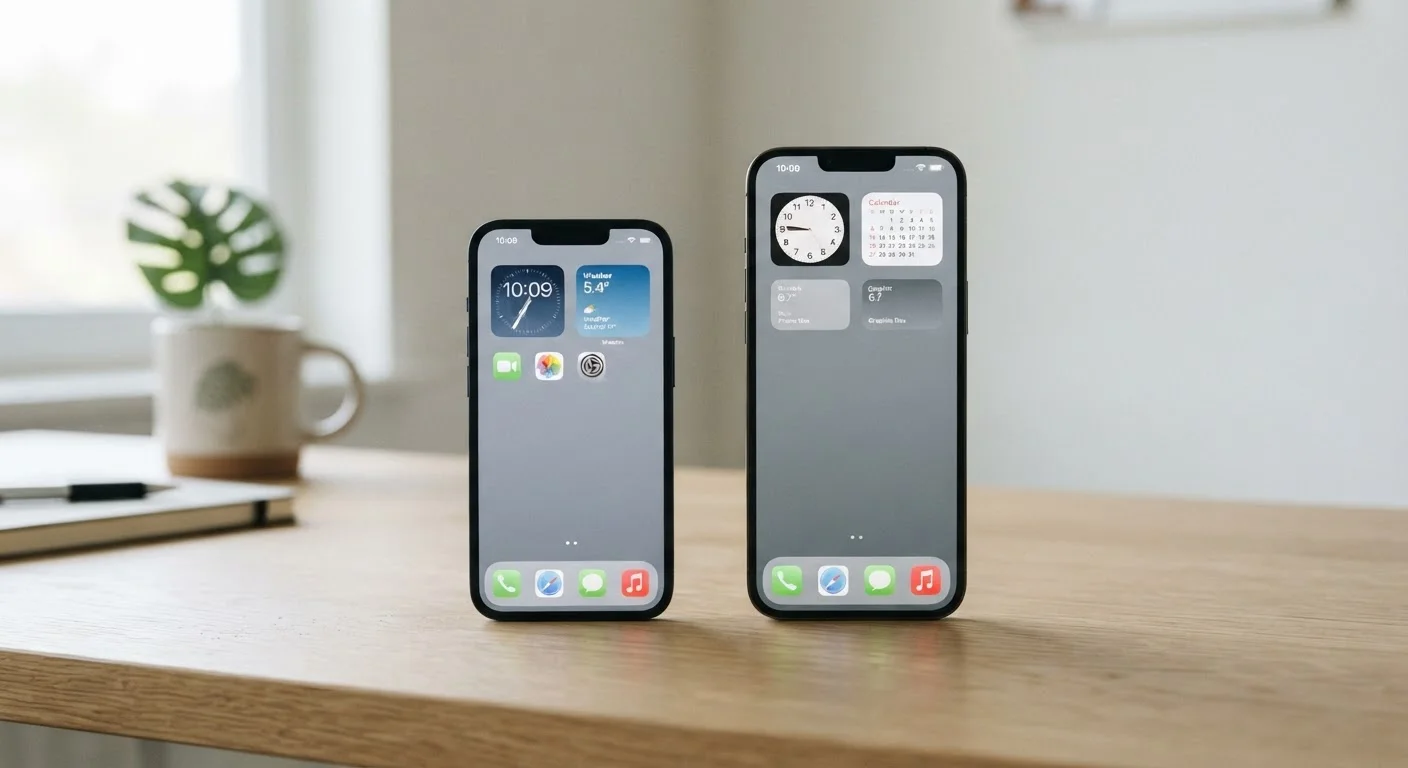
Neither screen size is universally better - the right choice depends on how and where you use your phone most. A smaller phone rewards portability and one-handed ease; a larger phone rewards media, productivity, and accessibility for those who benefit from bigger text. Understanding your daily habits is more useful than chasing a spec number.
Readers who feel unsure whether screen size is genuinely important or just marketing - and want a practical, habit-based way to decide.
Why Screen Size Is More Personal Than Technical
When people compare phones, they often fixate on processor speed or camera megapixels. But screen size - typically measured diagonally in inches - shapes nearly every moment you spend with a device. It affects whether your phone fits in a jeans pocket, whether you can type with one thumb, and how long your eyes feel comfortable after scrolling.
Modern phones generally fall into two broad categories: compact models (roughly 5.4-6.1 inches) and larger models (6.5 inches and above, sometimes called "Max" or "Plus" variants). Some fall in between, which makes the decision more nuanced than small versus big. As our guide on why phones with similar specs can feel completely different explains, the numbers on a spec sheet rarely tell the whole story.
The Case for a Smaller Phone
Compact phones are frequently underestimated, often described as the "budget" or "basic" option. That framing misses the point.
Easier one-handed use and typing comfort
Compact phones allow most thumbs to reach the full screen without awkward repositioning, reducing grip fatigue during daily tasks like texting or scrolling.
Fits more easily in pockets and small bags
A smaller form factor is less likely to create bulk, fall out of shallow pockets, or require a dedicated bag compartment - a meaningful convenience advantage.
Lighter weight reduces fatigue during long calls
Holding a lighter phone to your ear or face during extended calls is noticeably more comfortable, especially over 20-30 minutes.
Simpler to handle securely in one hand
Smaller phones are less prone to accidental drops when used on the go because users maintain a more natural, secure grip without overextending.
One-handed reach is the biggest practical advantage. Being able to tap, swipe, and type without shifting your grip reduces fatigue during long use sessions. For people who frequently use their phone while commuting, cooking, or carrying something in their other hand, this matters every single day.
Pocketability is another underrated factor. A phone that comfortably fits in a front jeans pocket is simply more convenient - you're less likely to leave it on a table or in a bag where it can be forgotten or damaged.
The Case for a Larger Phone
Larger screens have become the mainstream standard for good reason. For many users, the extra real estate genuinely improves the experience.
Harder to reach top corners with one thumb
Large-screen phones place navigation elements and notifications in zones that require grip adjustment or a second hand, which can become a repeated frustration.
Heavier weight adds up over a full day
Large phones can weigh noticeably more than compact models, and holding or pocketing extra weight across many hours of use is a real physical trade-off.
Less pocketable - may require a bag or case
Many large phones don't fit comfortably in standard jeans pockets, effectively requiring users to carry a bag or use jacket pockets consistently.
Higher cost for a larger screen is common
Larger phone variants within the same product line are typically priced higher, meaning users pay a premium for screen real estate even if other hardware is identical.
Reading, video calls, maps, and mobile gaming all benefit from more screen space. Text is easier to see without zooming, and split-screen multitasking - reading an email while referencing a document, for instance - becomes more usable on a larger canvas.
Battery life is another area where large phones often hold an advantage. Because the device body is physically bigger, manufacturers can fit a higher-capacity battery inside. A 5,000 mAh battery is common in large phones; compact models frequently max out closer to 3,200-3,500 mAh. That difference can translate to several hours of additional use between charges for heavy users.
Screen Size Alone Doesn't Determine Clarity
Pixel density - how many pixels are packed into each inch of screen - affects sharpness as much as physical size does. A large screen with lower pixel density can appear less crisp than a smaller, high-density display viewed at the same distance. When evaluating any phone, check both the screen size and the PPI figure together for a complete picture of display quality.
Display quality also matters alongside size. For a deeper look at how the panel technology itself affects your daily viewing experience, see our comparison of OLED vs. LCD screens on phones.
The Trade-Offs Nobody Mentions
~6.5"
Average new smartphone screen size sold in the US
Industry analysts tracking smartphone shipments have noted a steady upward trend in average screen size over the past decade, with 6.5 inches becoming a common midpoint.
30-40%
Battery capacity difference between large and compact phones
Larger phones routinely ship with batteries in the 4,500-5,000 mAh range, while compact models often carry 3,000-3,500 mAh - a gap that affects daily charge cycles.
Most reviews compare cameras and processors. Fewer address the ergonomic friction that builds up over months of daily use.
Reach strain: Larger phones push the top corners beyond comfortable thumb reach for most hand sizes. Repeatedly stretching to tap a notification or navigation button can cause repetitive discomfort over time - a concern sometimes called "ulnar deviation" in ergonomics discussions.
Eyestrain nuance: Bigger doesn't automatically mean easier on your eyes. Pixel density (measured in pixels per inch, or PPI) determines sharpness. A large screen with low PPI can look blurrier than a smaller, high-PPI screen at the same viewing distance.
Two-handed habit shift: Many large-phone users unconsciously switch to two-handed use full-time, which changes how and where they use their phone. This isn't inherently bad, but it's worth knowing before you commit.
Before finalizing your decision, it's worth running through a broader checklist. Our article on things worth checking before you commit to a new phone covers software support, repairability, and other factors that outlast the novelty of any screen size.
How to Match Screen Size to Your Habits
Rather than defaulting to whatever size is most popular, consider how you actually use your phone most of the time.
- Frequent texters and callers often prefer compact phones - lighter, easier to hold up, simpler to type on with one hand.
- Streamers and gamers tend to favor larger screens where the extra display area directly improves the experience.
- People managing health conditions or vision changes may find larger text and displays genuinely reduce eye fatigue - though individual results vary.
- Travelers and commuters often prioritize pocketability and battery life in equal measure, making a mid-size option a practical compromise.
If you spend significant time on your phone daily, it's also worth considering how screen time itself affects your wellbeing. Our piece on digital detox trade-offs offers a balanced look at screen habits and mental wellness.
Ultimately, no spec sheet substitutes for holding a phone in your hand for a few minutes. If possible, visit a store and test both sizes with your normal grip before deciding.
The content on this site is for informational purposes only and is not a substitute for professional advice. Always consult a qualified professional for guidance specific to your situation.