

Off-Season Isn't One-Size-Fits-All
The term 'off-season' gets tossed around a lot in travel conversations, but it rarely means the same thing twice. A beach destination in the Florida Keys has a completely different slow period than, say, a ski town in Colorado or a historic city like Charleston, South Carolina. Off-season is always defined in relation to when that specific place draws its biggest crowds - not by any universal calendar.
Understanding this is the first and most important step. If you're planning a trip based on avoiding crowds or simply experiencing a place at a quieter pace, you need to research your specific destination, not just assume winter equals low season. For some coastal regions, winter is the busiest time of year.
Trip planning resources can help you identify peak versus slow periods before you commit to dates.
What Actually Changes During the Off-Season
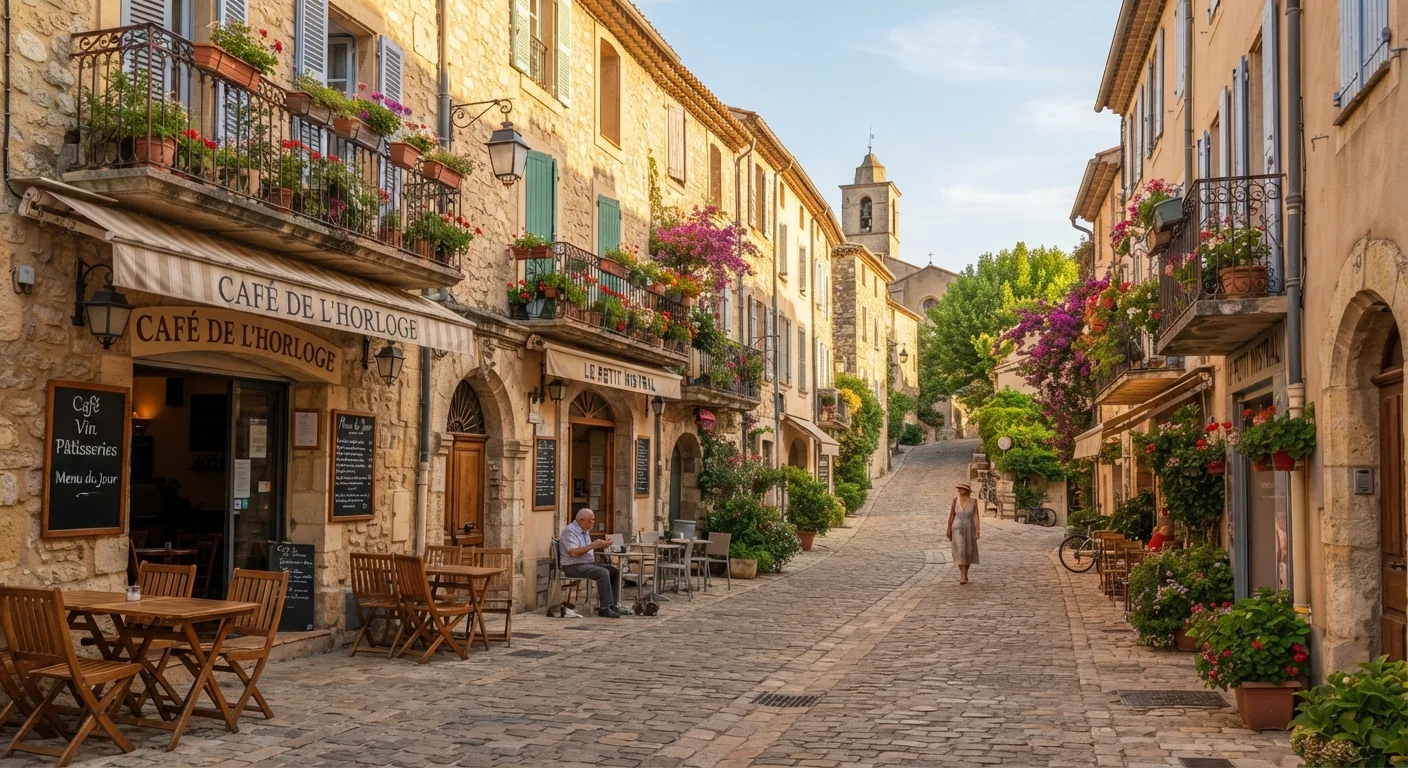
The most noticeable shift is foot traffic. Popular landmarks, restaurants, and neighborhoods that feel overwhelming at peak times take on a completely different character during slower months. You might stroll through a famous market without shoulder-to-shoulder crowds, or actually get a table at a restaurant that's normally booked weeks out.
Beyond atmosphere, a few practical things may shift as well:
- Hours of operation: Some smaller attractions, tour operators, and seasonal businesses reduce hours or close temporarily. This is the most common real trade-off, and it's worth verifying before you go.
- Weather: Often the reason for the low season in the first place. Rain, heat, cold, or humidity may be factors - but 'off-season weather' isn't automatically terrible, just different.
- Local life: Many travelers find off-season trips feel more authentic because the destination is running at its own rhythm, not one tuned to tourist volume.
3-4x
Visitor volume difference between peak and low season
Some iconic destinations see visitor counts three to four times higher during peak months compared to their quietest periods, according to national park and tourism board data.
40%+
Of Americans haven't taken a vacation in over a year
A recurring finding in U.S. travel surveys suggests that cost and scheduling are the top barriers - both of which off-season timing can help address.
For context on how timing affects the overall trip experience, peak-season travel realities is worth reading alongside this one.
The Real Trade-Offs Worth Weighing
Off-season travel isn't automatically better or worse than peak travel - it's a different set of trade-offs. The honest version looks like this:
You may gain: A more relaxed pace, shorter waits at attractions, and a chance to engage more genuinely with local culture. Some destinations host their most interesting local festivals and events outside tourist season.
You may give up: Ideal weather, guaranteed access to every attraction you want to see, and the full-scale hospitality infrastructure that peaks during busy months. A beach destination in the off-season may have half the restaurants open - which is fine for some travelers and frustrating for others.
Do a Quick 'What's Open?' Check
Before finalizing any off-season trip, spend 20 minutes confirming that the specific attractions, restaurants, or experiences you care most about will actually be operating during your window. A quick search plus a direct email or call to your top two or three priorities can prevent real disappointment. This is the single most practical step off-season travelers can take.
Date flexibility plays a big role here. Even small adjustments to when you travel can meaningfully change the experience. The value of flexible travel dates is something experienced travelers consistently point to as underestimated.
It's also worth knowing that off-season and shoulder season travel serve different traveler types. Shoulder season often delivers many of the same benefits with fewer weather compromises.
How to Research Off-Season Conditions Before You Book
The most common off-season mistake isn't choosing the wrong time of year - it's failing to verify conditions before booking. A few straightforward research steps can prevent most surprises:
- Check the destination's official tourism website for seasonal guides and any closures.
- Review historical weather patterns (not just averages - look at what typical days actually look like).
- Search recent traveler accounts from the same month you're considering, not just any time of year.
- Contact accommodations directly to confirm what's operating nearby during your window.
If your destination involves outdoor adventure - hiking, water sports, wildlife viewing - seasonal conditions matter even more. For travelers exploring places like Coastal New England or the Pacific Northwest, the off-season experience can be genuinely dramatic and beautiful - just very different from summer.
Ultimately, off-season travel rewards the curious and the flexible. It's one of the more underrated ways to experience a destination on your own terms - as long as you go in with clear expectations rather than assumptions.
Frequently Asked Questions
No - the majority of hotels, restaurants, and major attractions stay open year-round. Some smaller, seasonal businesses like beach rental shops or outdoor tour operators may close or reduce hours. Always check ahead with specific venues before booking your trip.
Look at the destination's official tourism board website, which typically outlines peak travel periods. You can also check historical weather patterns and local event calendars. Travel forums and blogs from people who've visited in different seasons can offer real-world insight.
Generally yes, though safety considerations vary by destination. For international travel, always check your government's official travel advisories before departing. Some regions experience extreme weather during their off-season, so factor that into your safety planning.
Prices often - but not always - trend lower during slower travel periods. Demand is a major driver of travel pricing, and less demand frequently means more flexibility. That said, prices are never guaranteed, and other factors like fuel costs or limited routes can affect fares.
Shoulder season falls just before or after peak - demand is moderate, and trade-offs are milder. Off-season is the lowest-demand window, where differences in crowds and pricing are most pronounced but weather risks may also be higher. See our <a href="/travel/travel-tips/the-overlooked-advantages-of-traveling-in-the-shoulder-season">guide to shoulder season travel</a> for a closer comparison.
Travelers with flexible schedules, a preference for quieter environments, and a willingness to do a bit more advance research tend to enjoy off-season travel most. It suits solo travelers, couples, and retirees particularly well - anyone who prioritizes atmosphere over guaranteed weather.
The content on this site is for informational purposes only and is not a substitute for professional advice. Always consult a qualified professional for guidance specific to your situation.