

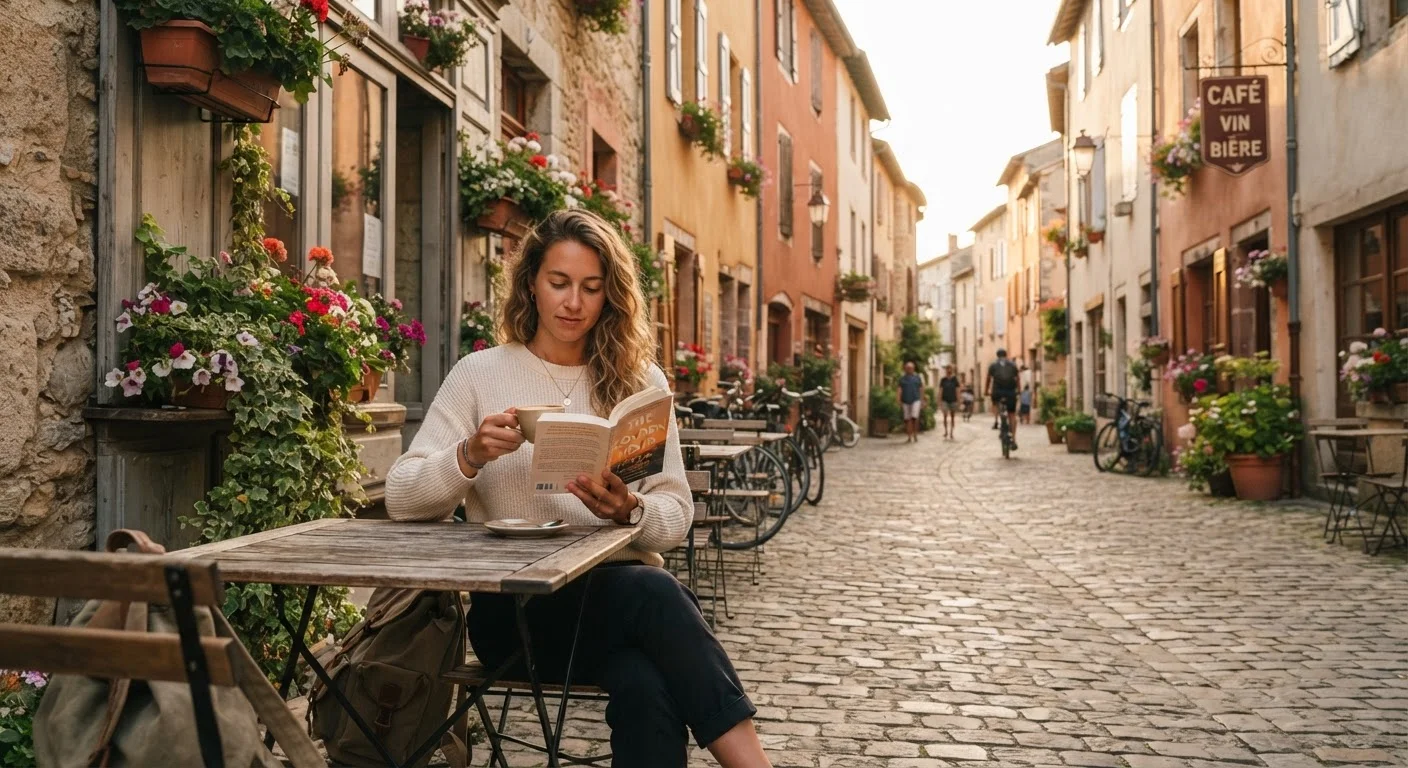
The Core Idea Behind Slow Travel
At its heart, slow travel is a rejection of the highlight-reel approach to tourism - the whirlwind itinerary that squeezes eight cities into ten days. Instead of measuring a trip's success by how many places you visited, slow travel measures it by how well you got to know one place.
The practical shape this takes varies. One traveler might rent an apartment in a Lisbon neighborhood for three weeks, cook breakfast each morning, and wander without an agenda. Another might spend a full week in a small town in the Yucatán, learning which taqueria the locals actually prefer and which cenotes don't appear on travel blogs. The specifics differ; the mindset doesn't.
Slow travel is less a rigid style and more a deliberate shift in priorities - from maximizing destinations visited to maximizing the quality of experience in each one. It suits people who find conventional tourism exhausting, those who want to return home actually rested, and anyone who's ever felt like they needed a vacation from their vacation.
Start with One Extra Day in One Place
You don't have to overhaul your entire travel style to experiment with slow travel. On your next trip, try adding an extra day in your first destination instead of moving on immediately. Notice whether the experience shifts when you're not racing to check off sights - that's the baseline feeling slow travel builds on.
How It Changes the Practical Realities of a Trip
Choosing to stay longer and move less has real downstream effects on how a trip gets planned and what it costs. Accommodation shifts from hotels to furnished apartments or short-term rentals, which often come with kitchens - a meaningful change for both budget and daily experience. Weekly and monthly rental rates are almost always lower per night than nightly rates, though this advantage narrows in high-demand cities.
Transit costs drop significantly. Flying or training between cities multiple times in a single trip adds up fast - in money, time, and energy. Slow travelers typically pay for one arrival and one departure, spending what's left of the transport budget on local day trips instead.
The planning style also shifts. Rather than building a day-by-day itinerary, slow travelers often sketch a loose structure and leave space for the unexpected - a festival discovered by accident, a hiking trail recommended by a neighbor, an afternoon that stretches into evening at a café. For tips on making the most of limited time when slow travel isn't an option, see our guide to planning short trips.
~30%
Potential per-night savings with weekly rentals
Short-term rental platforms commonly show weekly and monthly rates discounted roughly 20-35% compared to equivalent nightly pricing, though this varies widely by destination and season.
1 in 3
American workers who can work remotely at least part-time
Pew Research Center data from recent years suggests a substantial share of the U.S. workforce has some remote-work flexibility, expanding who can realistically consider longer stays abroad or domestically.
Who Slow Travel Works Best For
Slow travel isn't universally ideal - and that honesty is worth stating plainly. It rewards travelers who are comfortable with ambiguity, who don't feel anxious unless they've seen every major sight, and who find genuine enjoyment in daily rhythms rather than constant novelty.
Retirees with flexible schedules are a natural fit. So are remote workers who can maintain their professional obligations from a laptop in a rented apartment. Families who dread the logistical grind of moving children and luggage across multiple cities every few days often find that a single-base approach dramatically lowers trip stress.
It also pairs particularly well with shoulder-season timing, when a destination's daily life is more accessible and crowds are thinner. Our article on traveling in the shoulder season covers how to time a trip for that balance. If you're weighing whether to travel solo or with a group - a decision that intersects with slow travel planning - this breakdown of group vs. solo travel offers a grounded comparison.
What Slow Travel Isn't
A few common misconceptions are worth clearing up. Slow travel doesn't require indefinite travel, a remote income, or a specific type of destination. A two-week stay in a single American city - New Orleans, Tucson, Savannah - qualifies just as much as a month in Southeast Asia.
It also doesn't mean doing nothing. Slow travelers often cover a lot of ground; they just do it from a fixed base rather than dragging luggage to a new hotel every other night. Day trips, local excursions, and spontaneous plans all fit within the framework.
And it isn't inherently inexpensive. Staying in a desirable city for three weeks costs real money, even at a discounted weekly rate. The savings come mainly from reduced transit and dining flexibility - not from the concept itself. For context on how timing affects overall trip costs, see our piece on what off-season travel actually means.
Slow Travel and Visa Considerations
Longer stays in foreign countries can raise visa questions that shorter trips don't. Many popular destinations allow U.S. citizens to stay for 90 days or less without a visa, but rules vary significantly by country and can change. Always verify current entry requirements with official government sources - both the U.S. State Department and the destination country's embassy - well before booking.
Frequently Asked Questions
There's no official minimum, but most slow travelers think in terms of a week or more in a single place. Even spending five to seven days in one city rather than splitting that time across three stops captures the spirit of the approach.
It can be, but it depends on your destination and accommodation choices. Weekly or monthly rentals often cost less per night than hotels, and you'll spend less on transit between destinations. However, staying longer in an expensive city can add up quickly.
Not at all. Slow travel is simply a pacing philosophy - it works equally well for retirees, people using vacation time, or anyone who wants a more immersive trip. Remote work just makes longer stays more feasible for working-age travelers.
Walkable cities, small towns with distinct local culture, and coastal or rural areas with a relaxed pace tend to reward slow travel. Places with good local markets, neighborhoods to explore on foot, and a variety of day-trip options nearby are ideal.
A typical vacation often involves visiting multiple destinations and following a packed itinerary. Slow travel swaps that structure for open time, routine, and deeper engagement with one place - fewer plans, more presence.
Yes, and many families find it easier than conventional multi-stop trips. Staying in one place means less packing and unpacking, kids can establish a rhythm, and a base with a kitchen helps manage meals and costs.
The content on this site is for informational purposes only and is not a substitute for professional advice. Always consult a qualified professional for guidance specific to your situation.