

What a Phone Chip Actually Does All Day
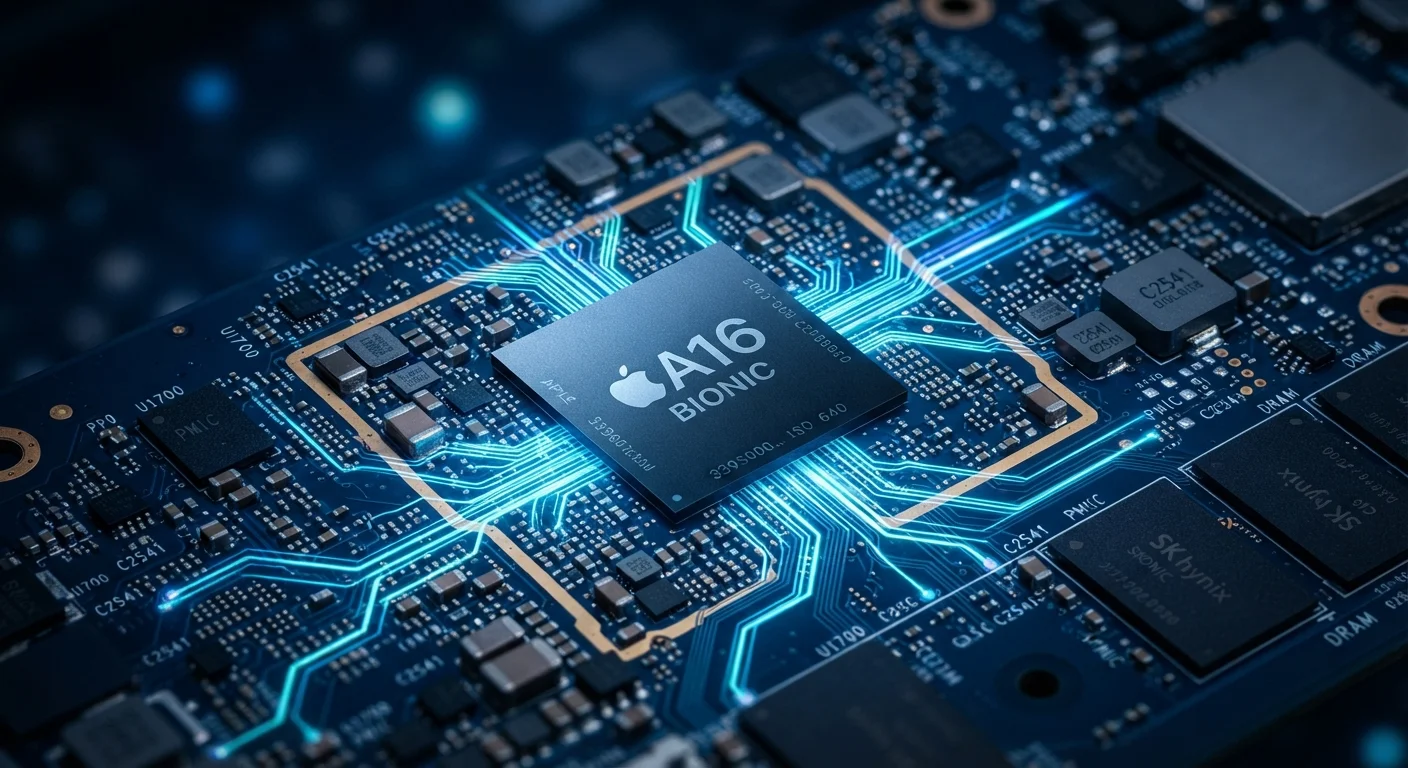
Every time you swipe to unlock, snap a photo, stream a video, or ask your phone a question, the processor chip is the component making it happen. It is, in simple terms, the engine of your phone - except instead of moving pistons, it moves data.
Modern phone chips are called System on a Chip (SoC) designs because they consolidate multiple specialized components into one unit. Inside a single SoC you'll find:
- CPU (Central Processing Unit): Handles general computing tasks - launching apps, running the operating system, loading web pages.
- GPU (Graphics Processing Unit): Renders visuals, powers gaming, and supports video playback.
- Modem: Manages cellular connectivity, including whether your phone can use 5G networks. See how 5G and your modem interact for more context.
- Neural Engine / AI Processor: Accelerates machine learning tasks like voice recognition, real-time translation, and computational photography.
- Image Signal Processor (ISP): Processes raw camera data and applies the computational enhancements that make modern phone cameras so capable.
Because all of these components share one chip, they can communicate with each other nearly instantaneously - a major reason phones can do so much in so little space.
10+ billion
Transistors in a modern flagship phone chip
Contemporary high-end mobile SoCs contain more than 10 billion transistors packed onto a chip smaller than a fingernail, enabling complex multitasking in a handheld device.
3-5 nm
Manufacturing process of leading mobile chips
The most advanced smartphone chips are manufactured at process nodes between 3 and 5 nanometers, enabling significant efficiency gains over chips made just a few years earlier at 7-10 nm.
Up to 50%
Battery life variance from chip efficiency differences
Industry testing has shown that chip efficiency differences can account for substantial variation in real-world battery endurance, even between phones carrying identical battery capacities.
How the Chip Shapes Speed, Heat, and Battery Life
The chip's design directly determines three things you feel every day: how fast your phone responds, how warm it gets under pressure, and how long the battery lasts.
Speed comes from both the number of processor cores and how those cores are organized. Most modern chips use a cluster of high-performance cores for demanding tasks and a separate cluster of efficiency cores for lighter work - a design that balances power with endurance.
Heat is a natural byproduct of computation, but chip efficiency minimizes it. Chips built using smaller manufacturing processes (measured in nanometers) pack more transistors into less space while consuming less energy. Less wasted energy means less heat generated during normal use.
Battery life is perhaps the most consumer-visible effect of chip quality. An efficient chip can execute the same task using a fraction of the power a less refined chip requires. This is why two phones with identical battery capacities can have meaningfully different screen-on times - the chip efficiency gap explains much of it.
Look Beyond Clock Speed When Comparing Chips
Raw clock speed (measured in GHz) tells you how fast individual processor cores can run, but it doesn't capture chip efficiency, core count, or the quality of integrated components like the GPU and ISP. When comparing phones, look at the chip generation and its overall architecture rather than a single GHz number - the full picture matters more than any one figure.
For a broader look at how multiple specs interact with each other, Smartphone Specs Decoded breaks down what each number on the box actually means in real-world use.
Why Chip Age Matters for Long-Term Use
Buying a phone with an older or lower-tier chip doesn't just affect day-one performance - it can limit how long the phone remains useful. Software updates, new app requirements, and evolving security standards tend to be optimized for newer chip generations first.
Over time, apps grow more demanding and operating system updates add new features that require more processing power. A phone whose chip is already near its limits when purchased may struggle to keep up within a couple of years. This is one of the less-discussed reasons phones slow down over time - it isn't always the battery or storage to blame.
It's also worth noting that the chip generation number alone doesn't tell the whole story - a concept explored in more detail in what processor generation numbers actually mean, which applies similar logic to laptop chips. Specs that look impressive on a label don't always translate directly to a better experience - phones with similar specs can feel completely different depending on how the manufacturer uses the hardware.
“The chip is the platform on which everything else is built. Camera quality, battery life, and software capabilities are all expressions of what the underlying silicon makes possible.”
— Anand Shimpi, Former semiconductor analyst and founder of AnandTech
Frequently Asked Questions
On most Android phones, go to Settings > About Phone > Processor or Hardware Info. On iPhones, the chip model is listed on Apple's product page for your device. Third-party apps like CPU-Z can also display detailed chip information for Android users.
Not necessarily. Software optimization, display quality, and camera tuning also shape the experience significantly. A newer chip helps, but a well-optimized phone with a mid-tier chip can outperform a poorly optimized device with a flagship processor in everyday use.
Chips built on smaller, more efficient manufacturing processes do the same computational work using less electricity. An efficient chip generates less heat and draws less power, which means the battery can last longer before needing a charge.
A neural engine is a dedicated section of the chip designed specifically for artificial intelligence tasks - like recognizing faces, translating speech in real time, or applying smart photo enhancements. Offloading these tasks to a neural engine is far more efficient than using the main CPU.
Support timelines vary by manufacturer and chip generation. Generally, flagship chips receive security and OS updates for longer than budget chips. A chip generation that no longer receives updates can limit which OS versions your phone can run, effectively shortening its lifespan.
The content on this site is for informational purposes only and is not a substitute for professional advice. Always consult a qualified professional for guidance specific to your situation.