

What Engine Oil Actually Does
Engine oil has four main jobs: it lubricates metal parts that move against each other at high speed, carries heat away from areas the cooling system can't reach, suspends contaminants so they can be drained out later, and keeps internal surfaces clean with chemical detergents.
These jobs happen simultaneously, every time your engine runs. Without sufficient, functional oil, metal components generate friction that produces heat - and enough heat causes permanent damage. Think of oil less as a luxury and more as the medium that makes combustion engines survivable for their own components.
For a broader look at the fluids keeping your car running, see Car Fluids Every Driver Should Know About.
5,000-10,000 mi
Typical synthetic oil change interval
Most automakers recommend synthetic oil changes every 5,000 to 10,000 miles, though specific intervals vary by vehicle - always verify with your owner's manual.
$30-$75
Average oil change cost
Routine oil changes generally range from around $30 for conventional oil to $75 or more for full synthetic, depending on the service provider and vehicle requirements.
Thousands
Potential repair cost from engine sludge damage
Engine repairs caused by severe oil neglect - such as sludge-related damage or bearing wear - can run into thousands of dollars, vastly exceeding preventive maintenance costs.
What Happens to Oil Over Time
Fresh oil is amber-colored, flows easily, and is packed with functional additives. As it circulates through a hot engine, several things happen in parallel:
- Viscosity changes: Oil can thin out at high temperatures or thicken as it absorbs byproducts of combustion. Either extreme means it's no longer protecting parts as designed.
- Additive depletion: The anti-wear agents, detergents, and corrosion inhibitors in oil get consumed doing their jobs. Once depleted, the base oil can't compensate.
- Contamination buildup: Tiny metal shavings, soot, and combustion byproducts accumulate. Oil is designed to hold these particles in suspension until it's drained - but that capacity has limits.
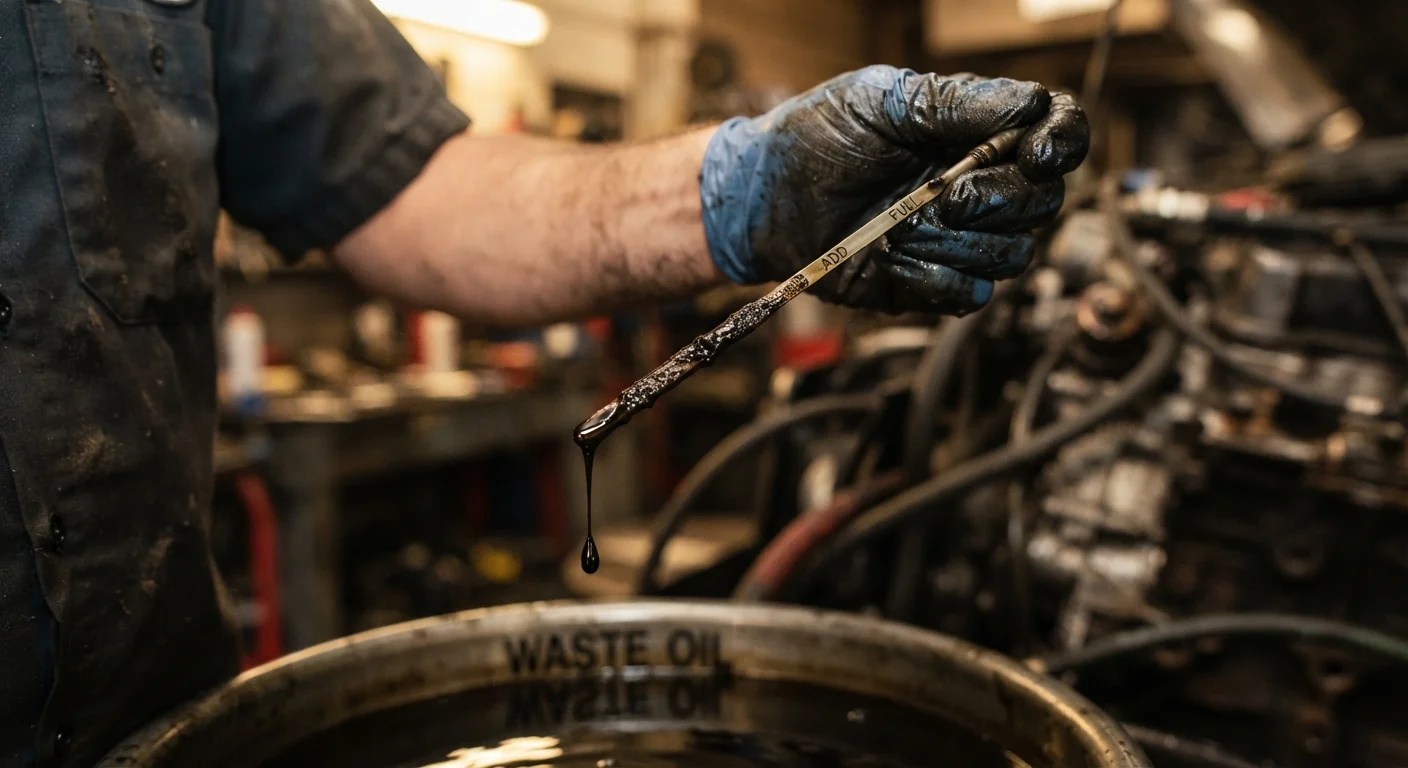
The result is dark, thick, gritty oil that circulates less effectively and protects less completely. This is the oil a skipped change leaves in place.
Check Your Oil Between Changes
Pull the dipstick every month or every few fill-ups. Wipe it clean, reinsert fully, then pull it again to read the level and assess the oil's color. Clean oil is amber; very dark or gritty oil is a sign it needs attention. This takes under two minutes and gives you an honest read on your engine's health between scheduled changes.
The Real Risks of Going Too Long
One overdue oil change, if you're only modestly past your interval, is unlikely to cause sudden failure. The risk is cumulative. Here's how it can escalate:
- Increased engine wear: Degraded oil allows more metal-on-metal contact. Over time, this wears down components like piston rings, camshafts, and bearings faster than normal.
- Sludge buildup: Oil that's been in service too long can oxidize and form thick deposits called sludge. Sludge clogs oil passages and can starve engine components of lubrication entirely.
- Overheating: Since oil helps manage heat, degraded oil reduces your engine's ability to stay within safe temperature ranges.
- Engine damage: In severe cases of long-term neglect, the costs shift from a routine oil change to engine repairs or replacement - a very different financial conversation.
For a wider picture of how deferred maintenance compounds costs, see Deferred Maintenance: The Hidden Costs of Putting Off Car Care.
Sludge Can Void Warranties
Some engine warranties have clauses related to maintenance neglect. If an engine develops sludge buildup and there's no documented oil change history, a manufacturer or extended warranty claim could be denied. Keeping simple records - even just photos of receipts - helps protect your coverage.
How Often You Actually Need an Oil Change
The old 3,000-mile rule is outdated for most modern vehicles. Automakers and independent testing have shown that many engines running full synthetic oil can go 7,500 to 10,000 miles - or more - between changes without compromising protection. Some vehicles have manufacturer-specified intervals even longer than that.
The most reliable source for your specific car is your owner's manual. Many newer vehicles also have an oil life monitoring system that calculates remaining oil life based on driving conditions, not just mileage.
Driving habits matter too. Short trips, frequent cold starts, towing, and stop-and-go traffic all degrade oil faster. If your driving skews toward those conditions, erring on the side of more frequent changes may be warranted.
Not sure which oil type is right for your car? Conventional vs. Synthetic Motor Oil: Which One Does Your Car Actually Need? breaks down the differences. And if you've heard conflicting guidance on oil change frequency, Car Maintenance Myths That Cost Drivers Money addresses common misconceptions directly.
Frequently Asked Questions
A single missed oil change is unlikely to cause immediate engine failure, especially if you're only slightly overdue. However, the oil continues to degrade, its protective additives deplete, and contaminants build up. The real danger is treating one missed change as a pattern.
It depends on the oil type and your vehicle. Conventional oil is typically rated for 3,000-5,000 miles, while full synthetic can last 7,500-10,000 miles or more. Your owner's manual gives the most reliable guidance for your specific engine.
Yes, over time. Severely degraded oil thickens, flows poorly, and stops lubricating parts the way it should. This increases friction and heat, which accelerates wear on components like pistons, camshafts, and bearings.
No. Adding fresh oil to old oil dilutes it slightly but doesn't restore the depleted additives or remove contaminants already suspended in the old oil. Topping off addresses low level, not degradation.
Check your dashboard for an oil change indicator light, and verify the oil's condition using the dipstick. Oil that looks very dark, feels gritty, or smells burnt is a signal it needs to be changed. When in doubt, consult your owner's manual or a qualified mechanic.
For most modern vehicles using synthetic oil, no. The 3,000-mile rule is largely outdated and may lead to unnecessary changes. Most automakers now recommend intervals of 5,000-10,000 miles or more, depending on the oil type and driving conditions.
The content on this site is for informational purposes only and is not a substitute for professional advice. Always consult a qualified professional for guidance specific to your situation.