

Our Verdict
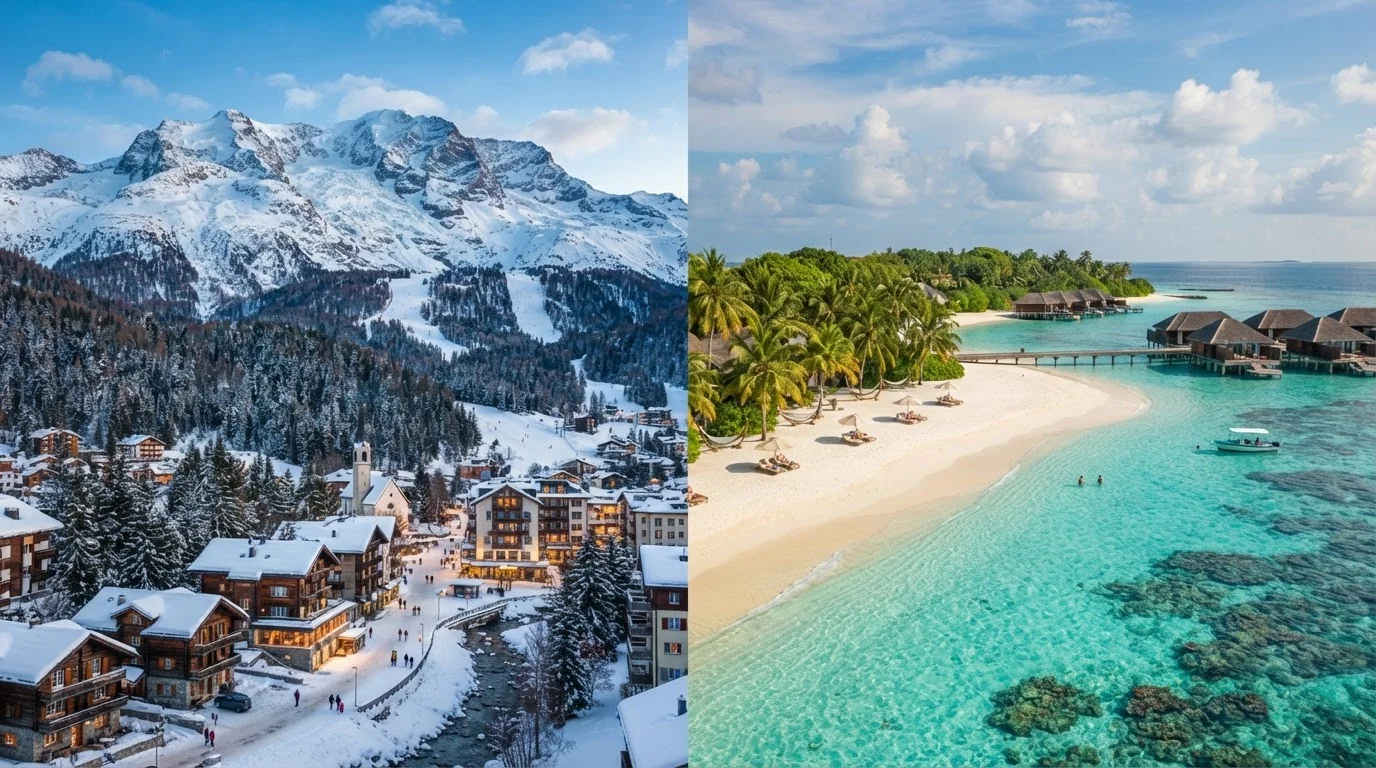
Neither mountain towns nor beach resorts hold a universal edge - the right choice depends entirely on how you like to unwind. If you crave crisp air, trails, and a quieter pace, mountains win. If warm sand, water, and a lively atmosphere sound like your recharge, head to the coast.
| Best for | Recommended |
|---|---|
| Active outdoor adventurers who enjoy hiking and cooler weather | Mountain Town |
| Travelers seeking sun, relaxation, and water-based activities | Beach Resort |
| Budget-conscious travelers with flexible timing | Mountain Town |
| Families with young children wanting structured amenities | Beach Resort |
Setting the Scene: What Each Environment Actually Offers
When you picture a mountain town, think Asheville, North Carolina; Telluride, Colorado; or Jackson Hole, Wyoming - places where the air is thinner, the scenery dramatic, and the vibe skews toward flannel-and-campfire. A beach resort, by contrast, could be anything from the Florida Gulf Coast to the Outer Banks or Southern California's coastline: sunscreen, salt air, and a schedule that revolves around tide charts.
Both settings deliver something genuinely restorative, but they scratch very different itches. Mountain destinations reward people who find peace in physical engagement - hiking, biking, kayaking alpine lakes, or simply watching clouds roll over ridgelines. Beach resorts are built for sensory relaxation: warm sun, the rhythm of waves, and the kind of unstructured afternoon that feels guilt-free by design.
It helps to honestly ask yourself what "vacation" means to you. If coming home rested means coming home tired in your legs and full in your lungs, mountains are calling. If it means coming home with a tan and zero decisions made for a week, the coast is your move.
| Mountain Town | Beach Resort | |
|---|---|---|
| Ideal weather season | Summer & fall (skiing in winter) | Late spring, summer, early fall |
| Primary activity type | Hiking, cycling, exploration | Swimming, watersports, lounging |
| Typical pace | Active and purposeful | Relaxed and unstructured |
| Family-friendliness | Good; varies by trail access | Generally high; strong amenities |
| Weather risk | Afternoon storms, altitude | Heat, UV, hurricane season |
| Off-season viability | Strong; ski or quiet seasons | Variable; some destinations slow significantly |
| Crowd levels at peak | Moderate to high | High, especially school holidays |
Practical Differences: Logistics, Cost, and Comfort
Cost is one of the first real-world filters. Mountain towns vary widely - popular ski destinations can rival premium beach resorts in peak season, while smaller Appalachian or Ozark towns remain genuinely affordable year-round. Beach resorts carry their own premium during summer school-break weeks, but shoulder season travel - late spring or early fall - can bring prices and crowds down considerably at coastal spots.
Altitude is a practical factor many travelers overlook with mountain destinations. Elevations above 8,000 feet can cause mild altitude sickness in some people, especially in the first 24 hours. Staying hydrated and giving yourself a day to acclimate before strenuous hikes is worth building into your plan.
Beach resorts, meanwhile, demand sun protection planning - UV exposure near water is intensified. They also tend to offer more built-in infrastructure: on-site dining, rental equipment, and entertainment, which can simplify trip planning for families. If you're weighing how much structure you want, see our comparison of all-inclusive vs. independent travel for a deeper look at that trade-off.
Time Your Trip Around the Shoulder Season
Both mountain towns and beach resorts have sweet spots just outside peak season. For mountains, late September brings fall foliage and fewer crowds. For beach destinations, May or early October often means pleasant weather with a fraction of the summer rush. Flexible timing can meaningfully change both the experience and the cost.
Activity Profiles and Pace: Who Thrives Where
Mountain towns naturally suit travelers who like their days to have shape and purpose - a morning trail, an afternoon wander through a local market, an evening with good food and a fire. They're also surprisingly social in a quieter way; smaller towns often host local festivals, farmers markets, and arts scenes that reward slow exploration. If you're traveling solo or weighing whether to bring a group, group vs. solo travel considerations are worth thinking through - mountain itineraries can flex well for both.
Beach resorts tend to skew more social and energy-forward, especially at peak times. Watersports, beach volleyball, sunset happy hours - the environment itself encourages spontaneous interaction. For families with kids, beach settings often reduce friction: children can entertain themselves for hours with sand and water, and most resort areas have kid-ready dining and facilities baked in.
One underrated consideration: what happens when the weather doesn't cooperate? Mountain towns usually have charming indoor options - coffee shops, breweries, galleries, and museums - that make a rainy day feel like a bonus. A beach resort in overcast, chilly weather can feel like the entire premise has been removed. Checking historical weather patterns and even considering what off-season travel really means for your chosen destination can save real disappointment.
Making the Call: Match Your Trip to Your Travel Style
Still undecided? Try this simple gut-check: close your eyes and picture day three of your vacation. Are you lacing up trail runners at 7 a.m., or are you carrying a coffee to a beach chair with a book? Neither answer is wrong - but one is almost certainly more honest.
If you crave variety across different coastal landscapes, it's also worth exploring how dramatically beach destinations differ from each other. For example, Coastal New England vs. the Pacific Northwest offers a sense of just how wide the range is within "beach" alone.
Ultimately, both settings reward the traveler who arrives with clear expectations and an open spirit. Research your destination's seasonal rhythms, pack appropriately for the environment, and resist over-scheduling. Whether you're watching the sunrise over a mountain ridge or catching it over open water, the best vacation is the one that actually fits how you rest.
66%
Americans preferring nature-based vacations
A U.S. Travel Association survey found that a large majority of American leisure travelers prioritize natural scenery and outdoor experiences in trip planning.
Top 3
Beach trips among most-searched US vacations
Beach destinations consistently rank among the most searched domestic vacation types in annual consumer travel trend reports.
The content on this site is for informational purposes only and is not a substitute for professional advice. Always consult a qualified professional for guidance specific to your situation.